
World Gorilla Day. A Call to Protect Our Closest Wildlife Cousins

October 22, 2025

World Gorilla Day. A Call to Protect Our Closest Wildlife Cousins

Share This Story

Every year on September 24th, the world comes together to celebrate World Gorilla Day—a special day dedicated to raising awareness about gorilla conservation and highlighting the critical need to protect these majestic primates and their natural habitats.

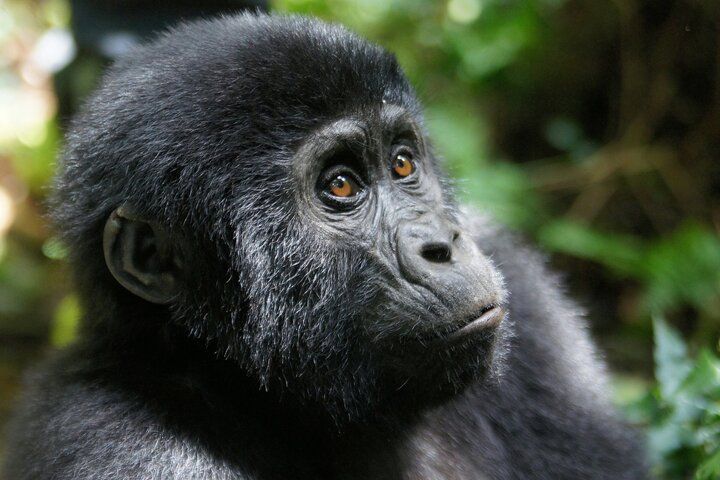
Gorillas, our closest relatives in the animal kingdom, are under constant threat due to habitat loss, poaching, disease, and human-wildlife conflict. These challenges have caused a significant decline in their populations, particularly Mountain Gorillas, which were once on the brink of extinction.


World Gorilla Day aims to draw attention to these threats while celebrating the success stories of conservation efforts that have helped save these magnificent creatures from further decline. Thanks to years of collaborative efforts by governments, non-profit organizations, and local communities, Mountain Gorillas are no longer classified as critically endangered but remain under the “Endangered” category.

World Gorilla Day is not just about raising awareness but also about taking meaningful action to protect gorillas and their ecosystems. Here are some ways you can participate and make a difference:


  1. Support Conservation Programs: Many organizations work tirelessly to protect gorillas in the wild. Consider donating to or volunteering with conservation groups like the Dian Fossey Gorilla Fund, Conservation Through Public Health (CTPH), or Gorilla Doctors, all of which are committed to the long-term survival of gorillas.
  2. Go on a Gorilla Trekking Adventure: One of the most direct ways to support gorilla conservation is by going on a gorilla trekking safari. Tourism revenue is a key contributor to the protection of gorillas and their habitats, while also supporting local communities that live near gorilla reserves. Rafiki Safaris offers unforgettable trekking experiences in Bwindi Impenetrable National Park and Mgahinga Gorilla National Park in Uganda, as well as trips to Volcanoes National Park in Rwanda and Kahuzi-Biega National Park in DRC.
  3. Spread the Word: Use your voice on social media platforms to raise awareness about gorilla conservation on World Gorilla Day. Share facts, success stories, and important news to encourage others to learn about and support these incredible animals.
  4. Visit a Conservation-Focused Exhibit: Zoos and wildlife organizations often host special events, exhibits, and talks on World Gorilla Day to educate the public about the plight of gorillas. Attending these events is a great way to learn more about how to help protect them.

The positive change in gorilla population numbers over the last few decades is proof that conservation efforts are working. A major success story is Uganda’s Bwindi Impenetrable National Park, which now hosts over 800 Mountain Gorillas, making it one of the few places in the world where you can see these magnificent creatures in their natural habitat.


Thanks to the work of local communities and conservation groups, programs like Gorilla Conservation Coffee have also thrived. These initiatives not only support the surrounding communities economically but also reduce human reliance on gorilla habitats for farming and other needs

While we celebrate the strides made in gorilla conservation, we must remember that the fight is far from over. Gorillas still face significant challenges from deforestation, climate change, and illegal activities. World Gorilla Day serves as a reminder that protecting these great apes is a global responsibility. By coming together to support ongoing conservation efforts, we can ensure that future generations will be able to enjoy and appreciate gorillas in the wild.

In honor of World Gorilla Day, consider planning your next adventure to experience the wonder of these gentle giants firsthand. At Rafiki Safaris, we specialize in Gorilla, Chimpanzee, and Wildlife Safaris across Uganda, Rwanda, and the Democratic Republic of Congo. Not only will you have the opportunity to observe these incredible creatures, but your visit will directly contribute to their conservation and the well-being of local communities.


Contact us today to learn more about how you can take part in a gorilla trekking safari and make a lasting impact on gorilla conservation.

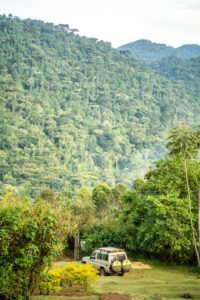
SUV parked in front of lush green hillside covered with trees.

Read More Stories

By Yakub Birungi • October 27, 2026
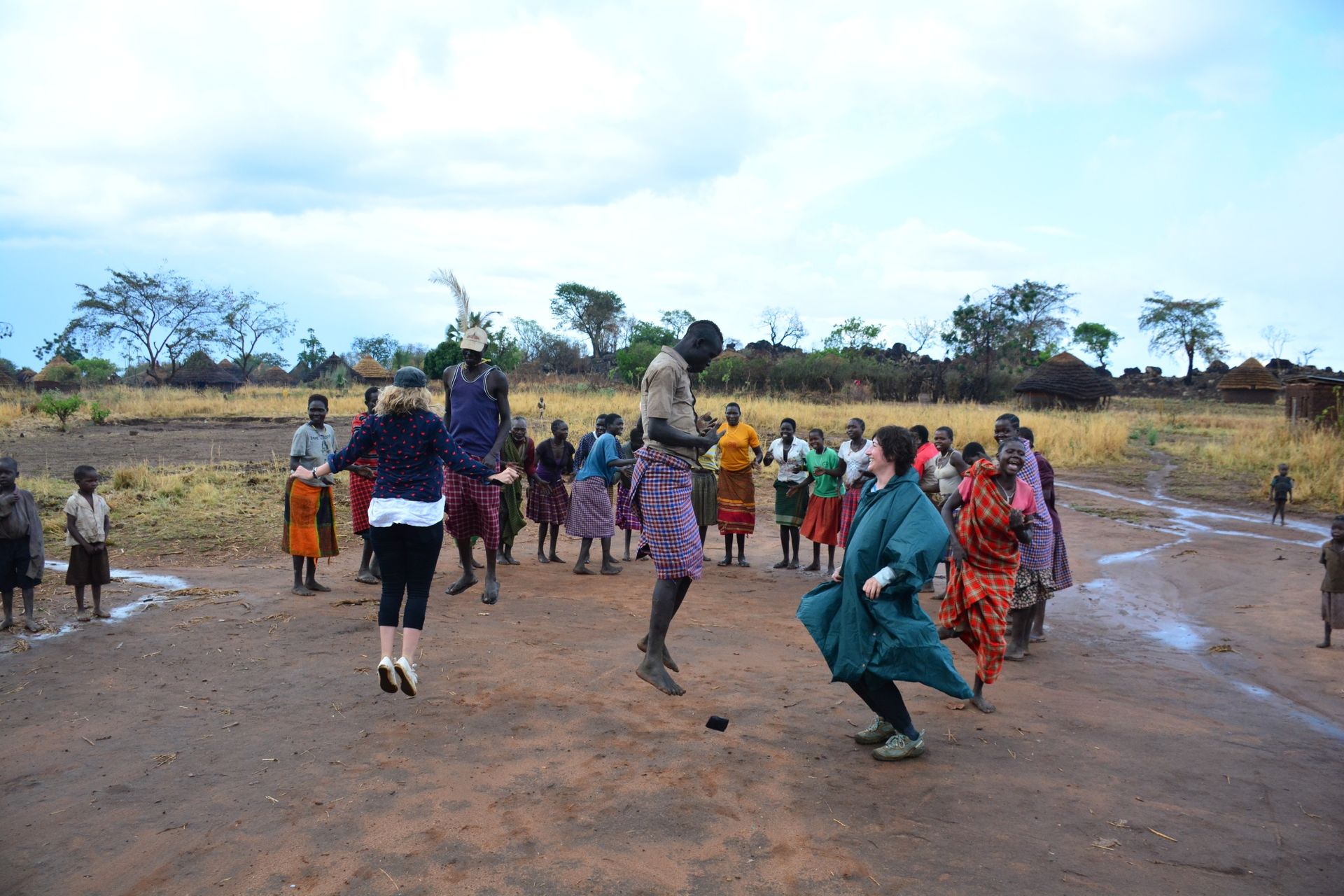
A Uganda safari can take you through rainforest in search of mountain gorillas, across open savannah in search of lions, and along waterways where hippos gather. But some of the country's most meaningful experiences happen when you step away from the safari vehicle and spend time learning from the people who call Uganda home. Cultural experiences can introduce visitors to traditional skills, food preparation, crafts, music and knowledge passed between generations. Learn how everyday ingredients become traditional meals Food preparation offers a practical introduction to local culture. Depending on the experience available, visitors may learn how cooking bananas are prepared for matoke, how ingredients are combined to make a traditional sauce, or how food is cooked using familiar local methods. These activities reveal the time and knowledge behind dishes that travellers might otherwise encounter only on a restaurant menu. Discover the skill behind traditional crafts Basket weaving, for example, requires patience, an understanding of materials and careful attention to patterns. Other craft traditions may involve textiles, pottery, woodwork or the creation of decorative objects. A visit with a local craft maker can help travellers understand how materials are sourced, how techniques are learned and what different products mean to the people who create them. Where possible, buying directly from artisans can also provide an opportunity to support local livelihoods. Listen to stories that connect people to place A landscape can mean something different to the people who have lived alongside it for generations. Local hosts may share stories about their communities, historical events, food traditions, agriculture or the relationship between people and the surrounding environment. These conversations can add context to the places travellers encounter during their safari. They also offer an opportunity to learn about Uganda through perspectives that are not always found in guidebooks. Experience culture respectfully Cultural tourism works best when experiences are organised with local hosts and reflect what communities genuinely wish to share. Ask permission before photographing people, respect requests about private or sacred spaces, and follow your host's guidance during demonstrations and visits. Remember that communities are not attractions to be observed; they are places where people live, work and maintain their traditions. Choosing experiences that compensate local guides, artisans and hosts fairly can help ensure that tourism creates value beyond the visitor's immediate experience. Add a cultural dimension to your Uganda safari Wildlife may be the reason you first consider Uganda, but cultural encounters can give your journey another dimension. When planning a safari with Rafiki Safaris, ask about available local experiences that complement your wildlife itinerary. Depending on your route, interests and schedule, these could include food experiences, craft demonstrations or guided visits with community hosts.  The aim is not simply to see more places. It is to leave with a richer understanding of the country you have visited.
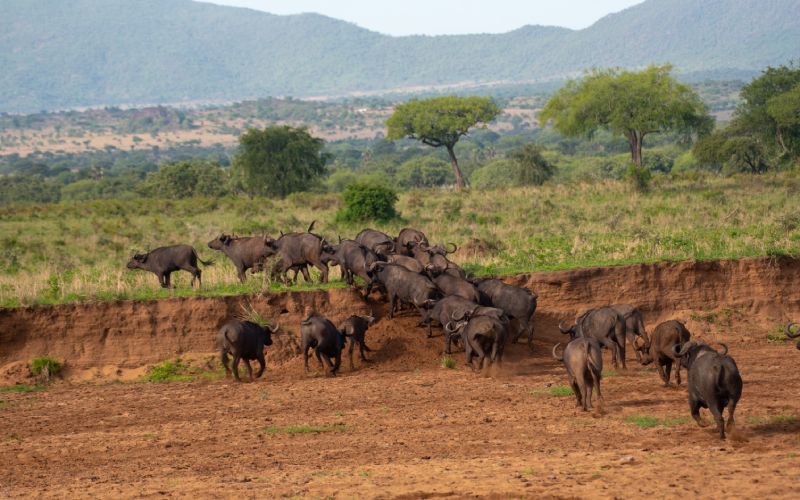
Great Migration
By Yakub Birungi • October 21, 2026
A 10-day Uganda and Kenya safari with a flight-based route. Slug: /gorillas-and-masai-mara-uganda-kenya-safari
By Yakub Birungi • October 21, 2026
Uganda or Kenya for a first African safari? Compare wildlife, cost, crowds and trip length, and see how to combine gorillas and the Masai Mara in one trip.