Meet Yakub: The Journey Behind Rafiki Eco Safaris
Uganda is often introduced to travellers through its famous wildlife.
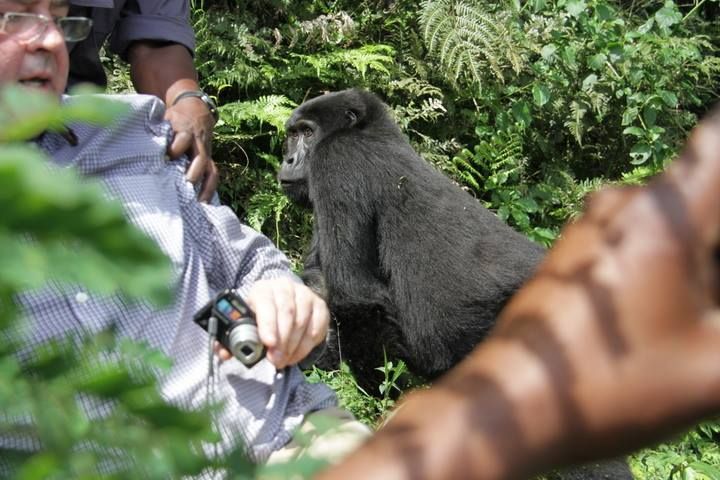
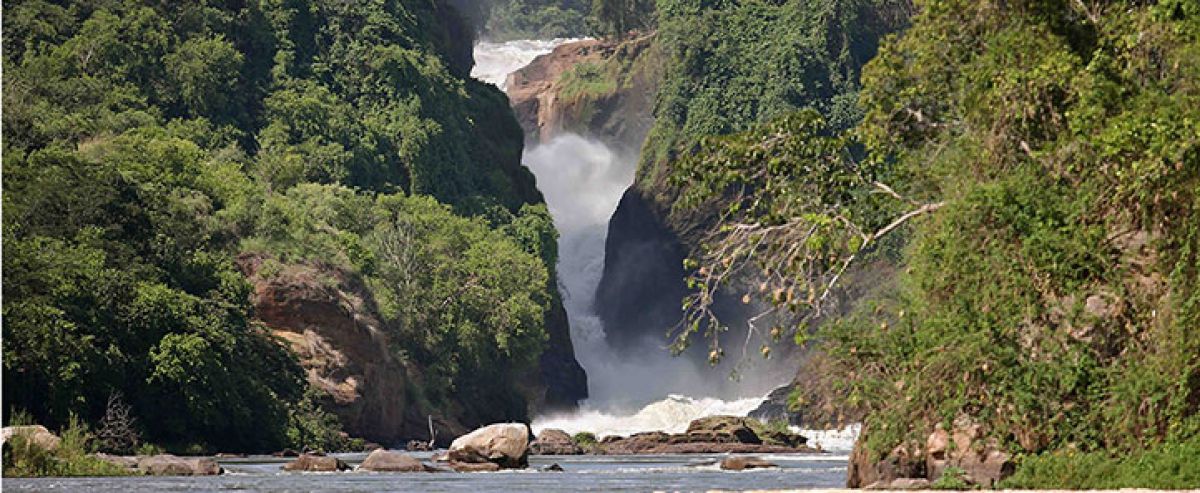
Mountain gorillas emerge from the forests of Bwindi. Chimpanzees call from the canopy of Kibale. Elephants cross the savannahs of Murchison Falls and Queen Elizabeth National Park. The Nile thunders through Murchison Falls, while the wetlands around Lake Victoria shelter the extraordinary Shoebill.
But there is another Uganda waiting beyond the wildlife checklist.
It is a Uganda of people, communities, forests, farms, lakes, cultures, and conservation stories.
This is the Uganda that inspired Yakub Birungi to create Rafiki Eco Safaris.
A Love of Travel That Became a Purpose
For Yakub, travel was not initially a business idea. It was a fascination.
Growing up, travel opened his eyes to places, people, and possibilities beyond his immediate surroundings. His experiences eventually led him into accountancy and other professional pursuits, but his fascination with travel never disappeared.
Over time, that passion developed into something more purposeful.
The questions became:
- Could tourism do more than take people to beautiful places?
- Could it help communities earn an income?
- Could it encourage people to protect forests and wildlife?
- Could travellers meet the people behind the destination?
- Could a safari leave something positive behind?
Those questions eventually became part of the foundation of Rafiki Eco Safaris.
We Sell the Experience, Not Just the Destination
One of the principles behind Rafiki is simple:
We sell the experience, not the destination.
A traveller doesn’t simply visit Bwindi. They walk into an ancient forest, meet trackers and guides, learn about conservation, and perhaps spend an unforgettable hour observing mountain gorillas.
They don’t simply visit Kibale. They enter a living forest ecosystem, listen for chimpanzees, and discover a landscape where communities, agriculture, tourism, and conservation intersect.
They don’t simply visit Murchison Falls. They experience the Nile, wildlife, communities, landscapes, and the immense power of water moving through one of Uganda’s most iconic natural environments.
The destination provides the setting.
The experience creates the memory.
What Makes an Eco-Tourism Safari Different?
Eco-tourism is sometimes reduced to simple things such as staying in an eco-lodge or travelling in a vehicle labelled “eco.”
For Rafiki, it means something broader.
A responsible safari should consider:
The Environment
How can we minimise unnecessary environmental impact and encourage the protection of natural habitats?
Wildlife
How can travellers observe animals responsibly while respecting their natural behaviour?
Communities
How can tourism create meaningful opportunities for people living around the destinations?
Local Enterprise
Can we use locally owned accommodation, guides, restaurants, crafts, and experiences wherever appropriate?
Culture
Can visitors encounter local traditions respectfully rather than simply observing them from a distance?
Conservation
Can tourism contribute to the continued protection of the landscapes and wildlife that attract visitors in the first place?
This is where eco-tourism becomes more than a marketing phrase.
Uganda’s Wildlife Is Only the Beginning
Uganda’s wildlife is extraordinary.
The country’s national parks and protected areas offer an unusually varied safari experience. You can search for:
- Mountain gorillas
- Chimpanzees
- Golden monkeys
- Elephants
- Lions
- Leopards
- Giraffes
- Zebras
- Rhinos
- Hippos
- Buffalo
- Antelope
- Hundreds of bird species
But what makes Uganda particularly special is the variety of ecosystems within one country.
Rainforest. Savannah. Wetlands. Lakes. Mountains. Rivers. Crater landscapes. Agricultural communities.
That diversity makes it possible to design journeys around the traveller rather than forcing every visitor into the same safari template.
From Shoebills to Gorillas
For the traveller interested in birds, the journey might begin in Mabamba Wetland, searching quietly through papyrus channels for the Shoebill.
For a primate enthusiast, it might begin in Kibale Forest, where chimpanzees are the stars.
For a classic safari traveller, it might begin in Murchison Falls or Queen Elizabeth National Park.
For someone fascinated by conservation, the journey could include Ziwa Rhino Sanctuary.
And for the traveller whose dream is to meet mountain gorillas, the misty forests of Bwindi or Mgahinga become the centrepiece.
The beauty of Uganda is that these experiences can be combined.
Communities Are Part of the Safari
One of the most important lessons Yakub has taken from years of travel and tourism is that a protected area cannot be separated completely from the people around it.
Communities live around forests. Farmers cultivate land beside wildlife habitats. Fishermen depend on wetlands and lakes. Guides, drivers, porters, cooks, and lodge employees depend on tourism. Artisans create products for visitors. Young people look for opportunities in their own communities.
Tourism becomes much more meaningful when travellers can see these connections.
This is why Rafiki is developing a growing portfolio of community-based experiences across Uganda.
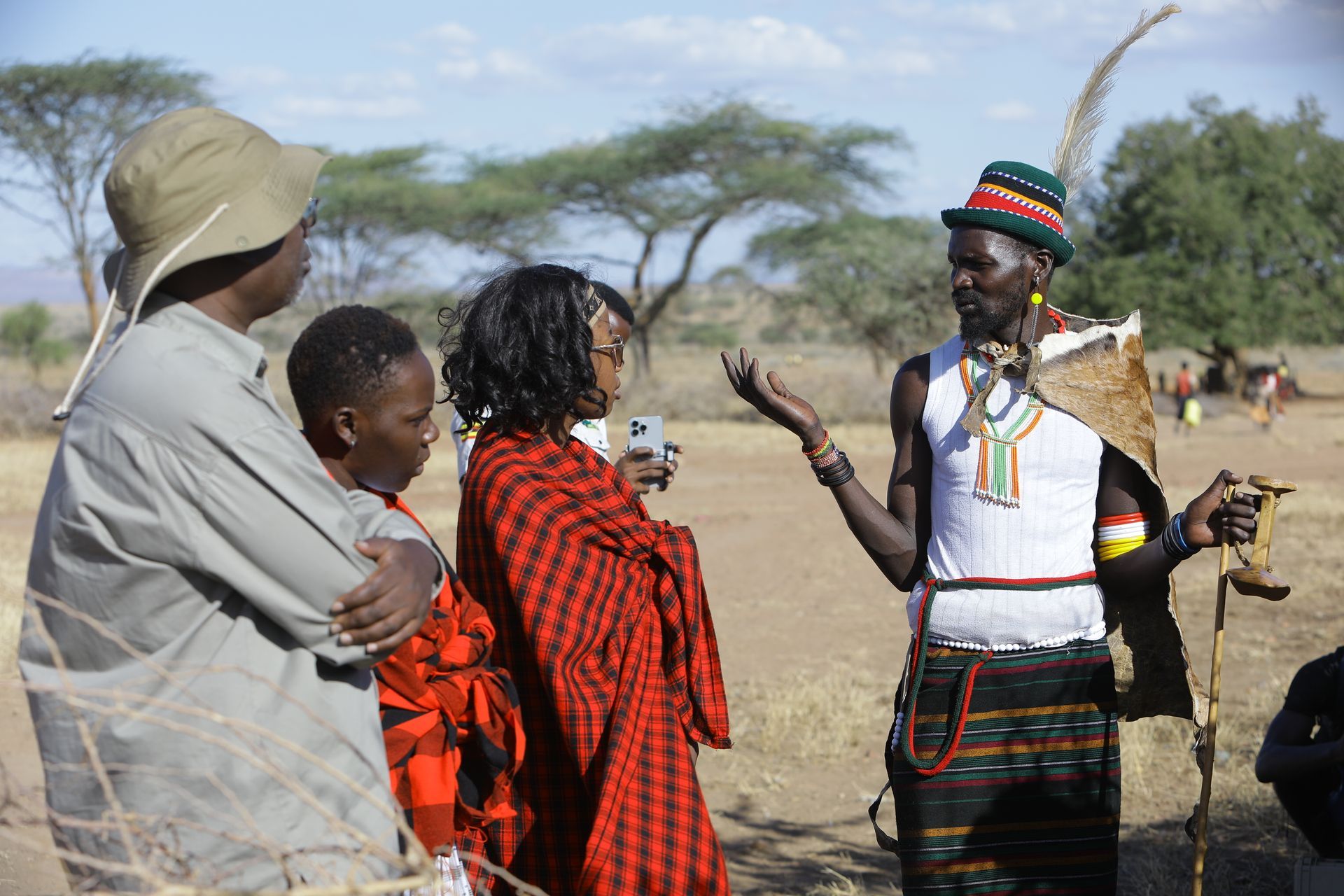
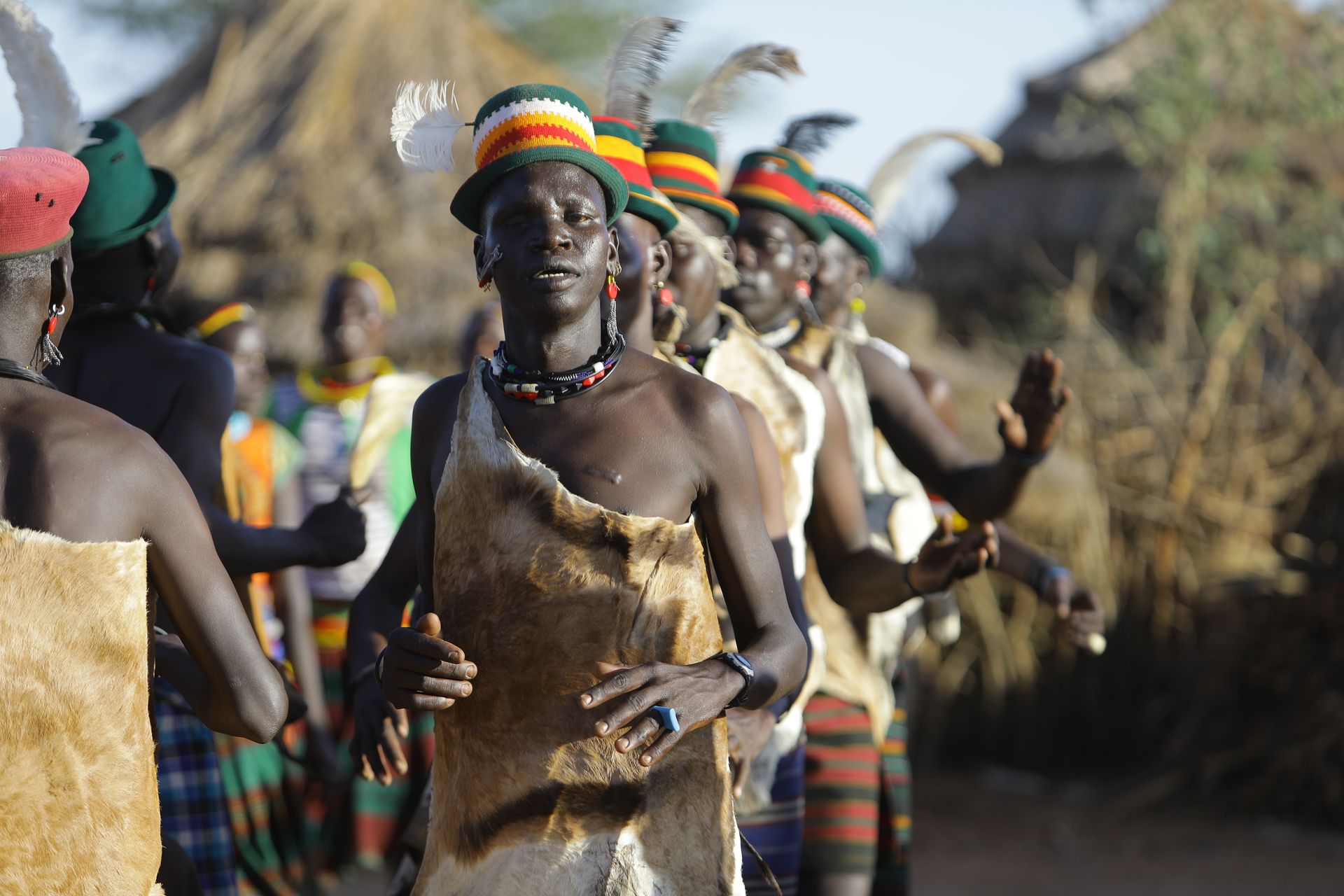
The goal is not simply to take visitors into villages. It is to create genuine opportunities for interaction, learning, cultural exchange, and local economic participation.
Conservation Becomes More Personal When You Meet the People Behind It
A conservation story can sound abstract until you meet the people working to protect the landscape.
At places such as Ziwa Rhino Sanctuary, the story is about bringing rhinos back.
In Bwindi, it is about protecting mountain gorillas and their forest habitat.
Around Kibale, it is about primates, forests, and communities.
In Murchison Falls, it is about protecting one of Uganda’s most important landscapes and the wildlife that depends upon it.
And in wetlands such as Mabamba, conservation is inseparable from the communities whose lives are connected to the water and papyrus.
The traveller begins to understand that conservation isn’t something happening somewhere far away.
It is happening around the journey they are taking.
The People Behind the Journey
A safari is never created by one person.
Behind every successful journey are:
- Guides who interpret the landscape
- Drivers who spend long days getting travellers from one experience to another
- Rangers who protect wildlife
- Trackers who understand the behaviour and movements of animals
- Lodge teams who create the feeling of being at home
- Community hosts who open a window into everyday life
- Conservation organisations that protect habitats and species
- Travellers themselves, whose choices can influence which businesses and experiences receive tourism income
Responsible Travel Is About Choices
A responsible traveller doesn’t need to be perfect. Small choices matter.
Choose locally owned experiences where appropriate. Respect wildlife viewing guidelines. Listen when community hosts explain their traditions. Avoid unnecessary waste. Respect cultural and sacred places. Support conservation initiatives. Buy locally made products. Give people the dignity of being more than subjects for photographs.
And perhaps most importantly:
Travel with curiosity. Ask questions. Listen. Learn.
Why Rafiki?
The word Rafiki means friend.
That idea is central to how we see travel.
A traveller should not feel like a transaction. They should feel like a welcomed guest.
Our role is to connect travellers with Uganda in a way that is:
- Authentic
- Responsible
- Personal
- Immersive
- Conservation-conscious
We want to create journeys that remain with people long after they have returned home.
Uganda Beyond the Postcard
There is a Uganda that appears in glossy wildlife photographs.
The gorilla. The lion. The elephant. The waterfall. The giraffe. The mountain.
All of these are extraordinary.
But there is another photograph worth taking.
The farmer preparing a field. The guide explaining a bird call. The craftsperson creating something by hand. The community welcoming visitors. The ranger protecting a forest. The child growing up beside a landscape that travellers have crossed oceans to experience.
These moments remind us that a destination is more than its scenery.
It is a living place.
The Future of Tourism We Believe In
Rafiki Eco Safaris is not interested in simply increasing the number of people travelling to Uganda.
We want to help create better journeys.
Journeys that allow visitors to stay longer. Explore deeper. Meet people. Discover lesser-known places. Support conservation. Contribute to communities.
That is why our journey is continuing beyond traditional wildlife safaris into community tourism, cultural experiences, birding, conservation initiatives, and regenerative travel.
The ultimate goal is simple:
To create journeys where the traveller leaves with unforgettable memories, while the destination is better understood, valued, and supported.
Come and Experience Uganda Differently
Uganda has many famous places.
But perhaps its greatest attraction is the possibility of discovering something beyond the expected.
A Shoebill rising from the papyrus. A chimpanzee calling from the forest. A silverback watching quietly through the vegetation. A lion resting in an Ishasha fig tree. A canoe moving across Lake Bunyonyi. A conversation with a community host. A cup of locally grown coffee. A sunset over the savannah.
These are not simply attractions.
They are stories.
And that is the Uganda we want to share.
Read More Stories