
The Best of an African Kenya Safari

October 22, 2025

The Best of an African Kenya Safari

Share This Story

The Best of an African Kenya Safari

Kenya is Africa’s best safari destination. It is no coincidence that Safari was born in Kenya. It is a journey undertaken by travellers away from home. In Arabic “safar” means travel and Safari in Swahili.


During the 14th century the Arab trader arrived at the Indian Ocean Coast coastline. At the time, the Arab visitors were more concerned with their trade not wildlife expeditions. 

Kenya Safari at Maasai Mara


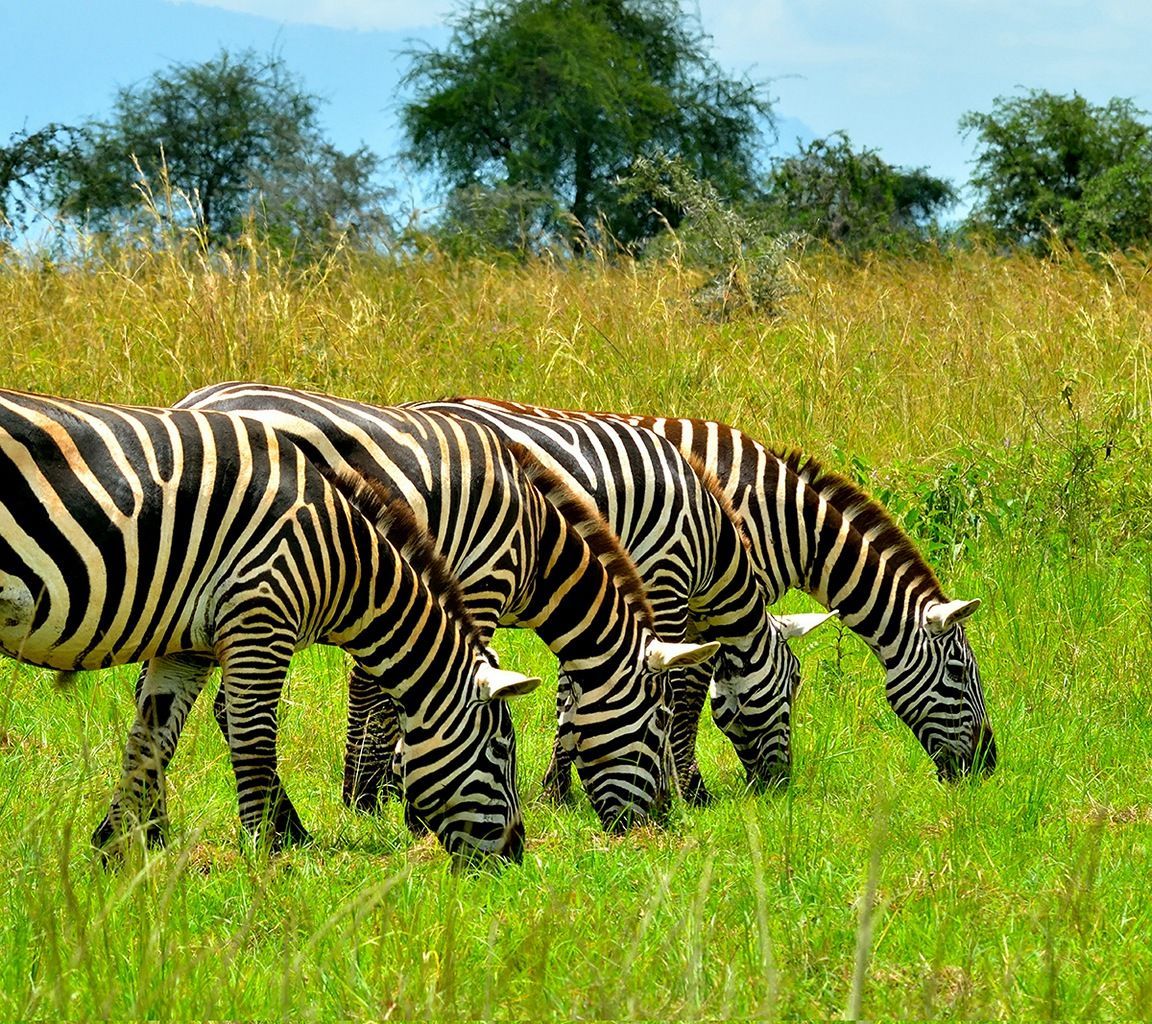
Maasai Mara is the most visited game reserve. It is famous for the great migration where zebras and wildebeest follow the rainy season in search for pastures. It is such a spectacular scene to see hundreds of animals moving in one direction. As they cross the Mara river, the predators too (crocodiles) lie in ambush as the African elephants roam the savannas and the predating big cats chase their prey. 


The plains are teeming with plenty of wildlife. Discover the authentic Maasai culture and the flamingos in Nakuru.


Kenya is an all year-round safari destination offering excellent wildlife viewing. Each destination has its own safari experience. Kenya tropical climate along the equator is ideal for an all year-round safari.

Kenya offers quality wildlife viewing throughout the year. The best time times is in the dry season from July to October. Visitors have a chance to watch the iconic migration of the wildebeest, Zebras and Thomson gazelles. Predators like lions, cheetahs and crocodiles join the show as they hunt their prey.


During the Great migration, almost two million animals move across the Serengeti to Maasai Mara game parks in such for pastures, despite the predator dangers on land and water.

Get close to the big cats at Masai Mara Game Reserve

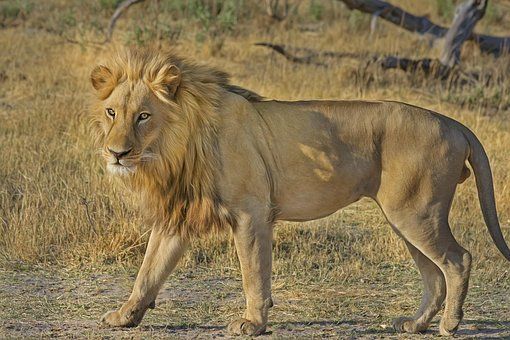
Lion walking, tawny fur, shaggy mane, outdoors in grassy field.

This game reserve hosts Africa’s larger animals that include the big five (lion, elephant, leopard, cape buffalo and rhinoceros). Hippopotamus, crocodiles, hyenas, cheetah, jackals, giraffe and antelopes can be also be seen in the reserve.


The spectacular great migration takes place at the reserve. Zebras, Wildebeest and Thomson gazelle move to and from the Serengeti between July to October every year showcasing mouthwatering scenes for the traveller.


The Esiot Siria Escarpment is the best viewing spot for game especially the cheetah and Lions.

Best time to visit: July to October


Drop by Nairobi National Park near the city Centre


Nairobi National park is the closet park to Nairobi city and is home to diverse wildlife population that includes the Cape Buffalo, Black rhino, wildebeest, cheetah, Grant Zebra, Masaai Giraffe, Leopard and Lion and is also home to 400 migratory and endemic bird species. It is an all year round destination.

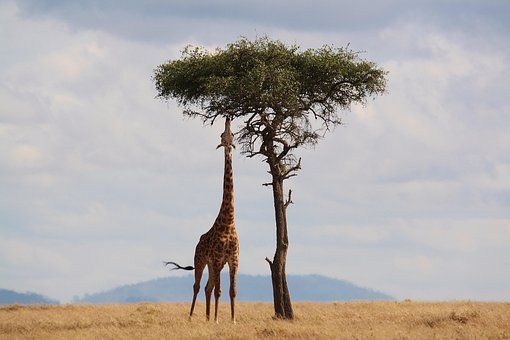
Giraffe eating from a tree in a savanna landscape.

Interact with the Elephants at Amboseli National Park

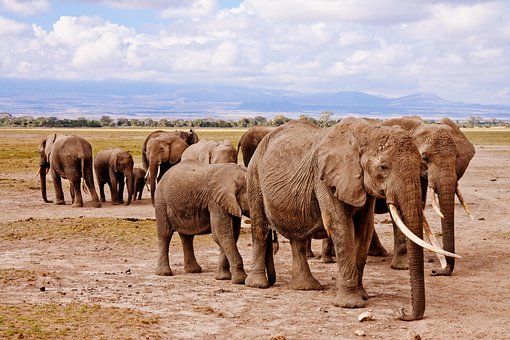
It is located south east of Kenya near Tanzania. It is home to large herds of elephants in Kenya. The best time for wildlife safaris is June to October and best birding between October to January. Famous for a spectacular backdrop of Mount Kilimanjaro. 

Herd of elephants in a dry, open savanna. Several adults with large tusks, some young, distant hills in background.

Amboseli offers great viewing opportunities for other animals like African bush elephant, impala, Cape buffalo, cheetah, lion, hyena, wild dog, wildebeest, zebra, crocodile, mongoose, and Masai giraffe. Over 600 species of birds call Amboseli their home, too.

Meet the maneless Tsavo Lions 

Tsavo is one of Africa’s largest game parks in the world and popular for the Tsavo lions who entirely do not have manes. It’s close proximity with Mombasa and Malindi, makes it an ideal place for a one day safari destination and beach holiday.


The Tsavo National park is teeming with diverse wildlife that includes the leopard, African Bush Elephant, giraffe duikers, spotted hyena, gravy, plain zebra cape buffalo, cheetah, Impalas, rhinos and Elands.

Best time to visit: May to October

Lake Nakuru National Park

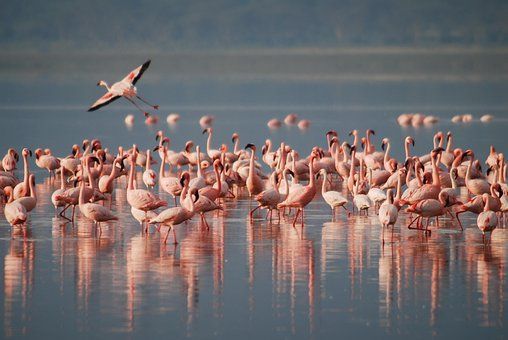
A flock of pink flamingos in a lake, with one taking flight; calm, reflective water.

Lake Nakuru National park is famous for the flamingos that are attracted to an abundance of algae in the Lake. It is elevated at 1,754 m (5,755 ft) above sea level.


The Rift valley soda lake safari can be combined with Serengeti and Maasai Mara or Gorilla trekking and can be visited all year round.


Other birds and animals that can be spotted include the pelicans, cormorants, fish eagles, king fishers, water bucks, eastern black rhinos and southern white rhinos, Leopards, Lions, cheetahs and warthogs.

Samburu National Reserve

Samburu game reserve is located on the banks of Ewasio Ng’iro River that flows through the doum palm groves and thick forests along its banks.


The wildlife species commonly seen in the park include the lion, African leopard, Cheetah, Grevy’s Zebra, water buck, warthogs as well as Cape buffalo, Elephants and Hippopotamus.


Best time to visit: December to March, July to October

Meet the Black Rhinos at Aberdare National Park

It offers spectacular views of streams and wildlife. Due to its high altitude, the temperatures are sometimes cooler than the savannas.


The largest herd of endangered black rhinoceros lives here. Other wild animal sightings include the leopards, elephants, olive baboons, warthogs and bush backs. Best time to visit the park is between May to September and January to February.

Kenya Beaches

Kenya Beaches

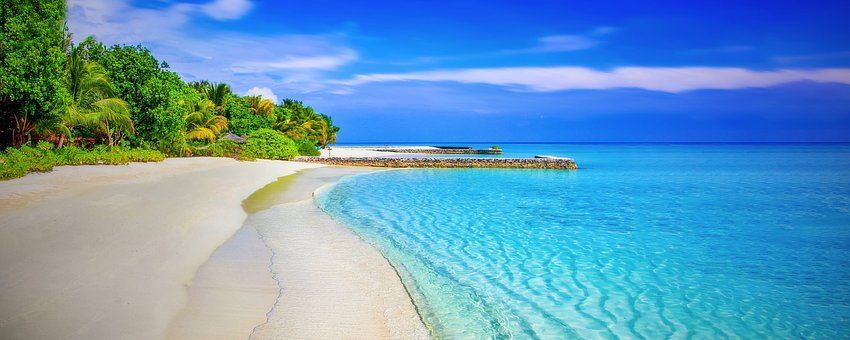
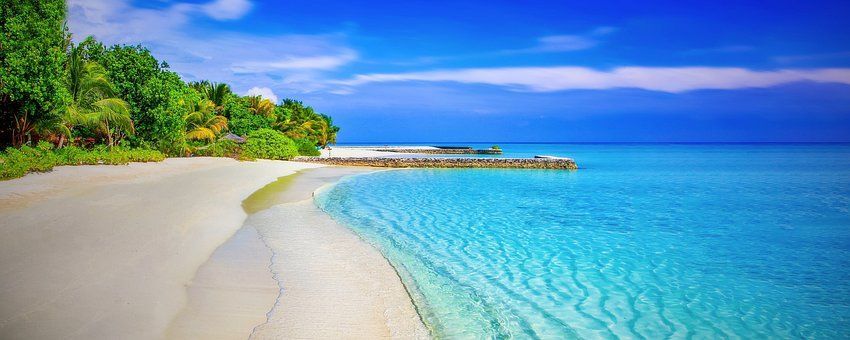
A tropical beach with white sand, turquoise water, and lush green trees under a blue sky.

Diani Beach is breathtaking destination. It is a perfect end after an exciting wildlife safari. The Kenya coastline has plenty of other spectacular beaches and water sports such as scuba diving, kite surfing and fishing.

Travel with the Maasai

Visit the Maasai villages to learn more about their way of life and interact with the elders. Take a walk with the Maasai warriors in the wild.


On a good day you will spot animal droppings and animal foot prints and your guide will explain which animals it belongs to. It is truly a rewarding and memorable experience.

Read More Stories

By Yakub Birungi • October 27, 2026
A Uganda safari can take you through rainforest in search of mountain gorillas, across open savannah in search of lions, and along waterways where hippos gather. But some of the country's most meaningful experiences happen when you step away from the safari vehicle and spend time learning from the people who call Uganda home. Cultural experiences can introduce visitors to traditional skills, food preparation, crafts, music and knowledge passed between generations. Learn how everyday ingredients become traditional meals Food preparation offers a practical introduction to local culture. Depending on the experience available, visitors may learn how cooking bananas are prepared for matoke, how ingredients are combined to make a traditional sauce, or how food is cooked using familiar local methods. These activities reveal the time and knowledge behind dishes that travellers might otherwise encounter only on a restaurant menu. Discover the skill behind traditional crafts Basket weaving, for example, requires patience, an understanding of materials and careful attention to patterns. Other craft traditions may involve textiles, pottery, woodwork or the creation of decorative objects. A visit with a local craft maker can help travellers understand how materials are sourced, how techniques are learned and what different products mean to the people who create them. Where possible, buying directly from artisans can also provide an opportunity to support local livelihoods. Listen to stories that connect people to place A landscape can mean something different to the people who have lived alongside it for generations. Local hosts may share stories about their communities, historical events, food traditions, agriculture or the relationship between people and the surrounding environment. These conversations can add context to the places travellers encounter during their safari. They also offer an opportunity to learn about Uganda through perspectives that are not always found in guidebooks. Experience culture respectfully Cultural tourism works best when experiences are organised with local hosts and reflect what communities genuinely wish to share. Ask permission before photographing people, respect requests about private or sacred spaces, and follow your host's guidance during demonstrations and visits. Remember that communities are not attractions to be observed; they are places where people live, work and maintain their traditions. Choosing experiences that compensate local guides, artisans and hosts fairly can help ensure that tourism creates value beyond the visitor's immediate experience. Add a cultural dimension to your Uganda safari Wildlife may be the reason you first consider Uganda, but cultural encounters can give your journey another dimension. When planning a safari with Rafiki Safaris, ask about available local experiences that complement your wildlife itinerary. Depending on your route, interests and schedule, these could include food experiences, craft demonstrations or guided visits with community hosts.  The aim is not simply to see more places. It is to leave with a richer understanding of the country you have visited.
Great Migration
By Yakub Birungi • October 21, 2026
A 10-day Uganda and Kenya safari with a flight-based route. Slug: /gorillas-and-masai-mara-uganda-kenya-safari
By Yakub Birungi • October 21, 2026
Uganda or Kenya for a first African safari? Compare wildlife, cost, crowds and trip length, and see how to combine gorillas and the Masai Mara in one trip.