Skeleton Coast National Park
Overview
Skeleton Coast National Park is one of the most remote and surreal destinations in Africa. Stretching along Namibia’s northwest coastline, it’s known for its fog-covered beaches, abandoned shipwrecks, and dunes that meet the sea. Despite the harsh environment, it supports a surprising range of wildlife and has long been home to the semi-nomadic Himba people. It’s a place of solitude, stark beauty, and adventure—ideal for travelers drawn to wild, uncharted places.
Fun Facts
- The name comes from the whale bones and shipwrecks that once lined the coast.
- The cold Benguela Current causes the area’s dense fog and treacherous sailing conditions.
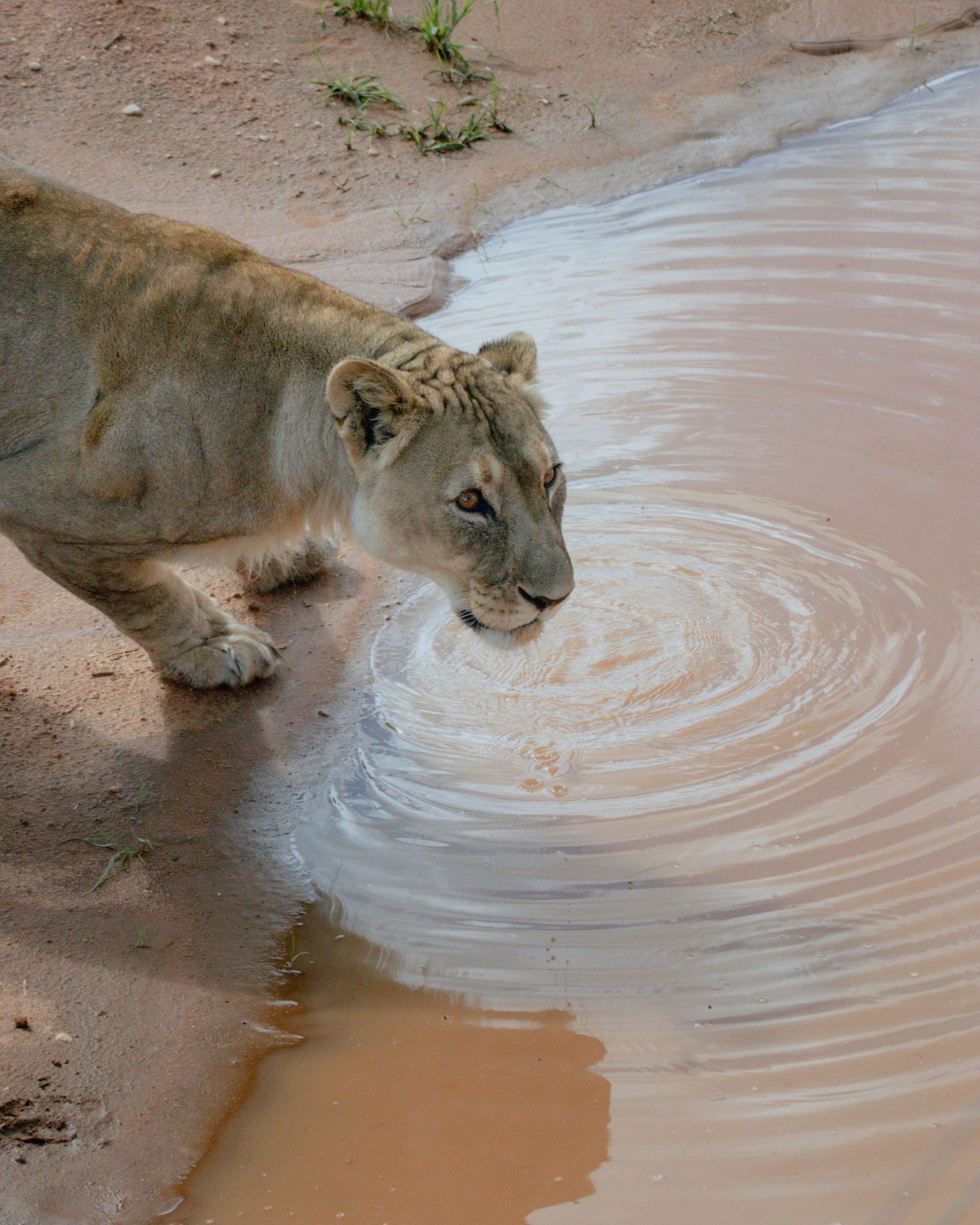
- Some of the oldest desert-adapted elephants and lions survive here.
- Remains of ships from as far back as the 1800s can still be seen along the shore.
Things to Do
- Fly over the shipwreck-littered coast for dramatic aerial views.
- Visit the Clay Castles, a natural fortress of eroded clay towers.
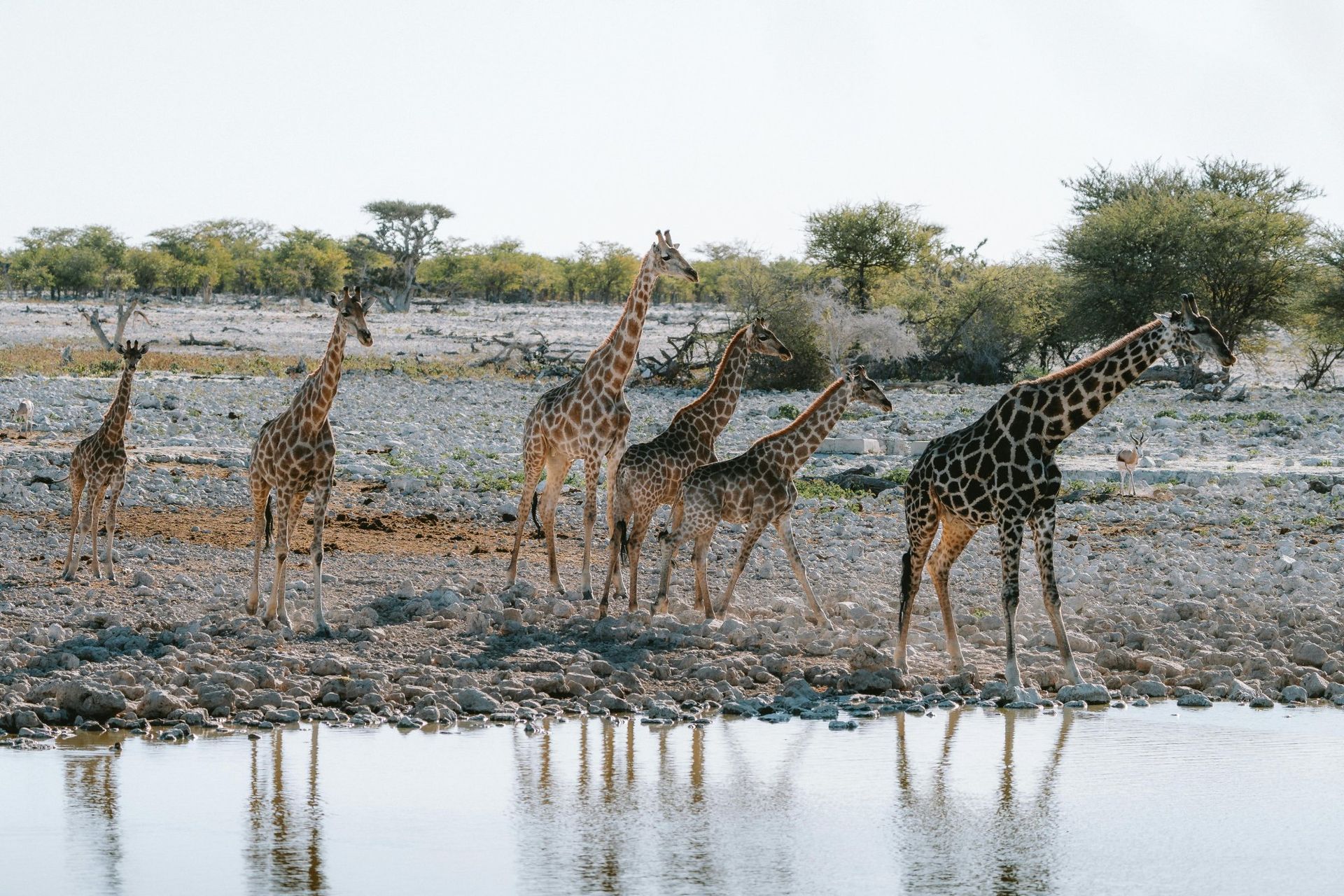
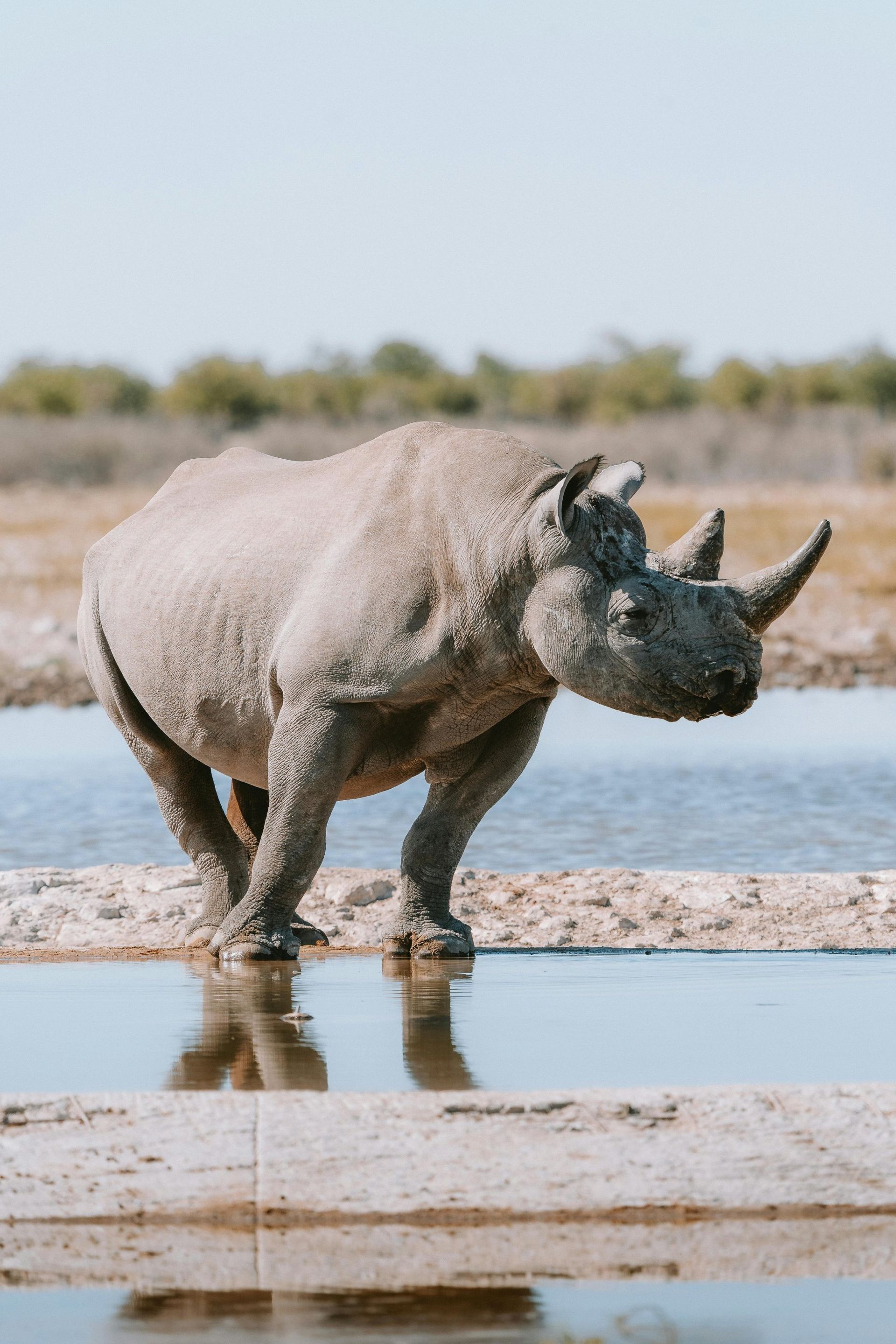
- Spot desert-adapted wildlife like lions, elephants, and hyenas.
- Discover Cape fur seal colonies at Cape Cross.
- Experience true off-the-grid travel in fly-in camps or guided overland safaris.
Gallery
Where It’s Located
- Region: Northwestern Namibia, Atlantic coastline
- Distance: ~5–7 hours by road from Swakopmund (southern section)
- Nearest Entry Point: Ugab Gate (south) or Springbokwasser Gate (east)
- Access: By 4x4 overland or fly-in charter; permits required for many areas
Wildlife Highlights
- Desert-adapted elephants
- Brown hyenas
- Black-backed jackals
- Cape fur seals
- Oryx and springbok
- Coastal bird species
FAQs
Why is it called the Skeleton Coast?
It’s named for the numerous shipwrecks and whale bones scattered along its foggy shores—once seen as a graveyard for ships and sailors.
Is it possible to drive through the park?
Yes—but only in designated areas and with a 4x4. Much of the northern section is only accessible by fly-in safari.
What kind of wildlife can I expect?
You may see desert-adapted lions, elephants, seals, and scavengers like hyenas and jackals.
Do people live in the area?
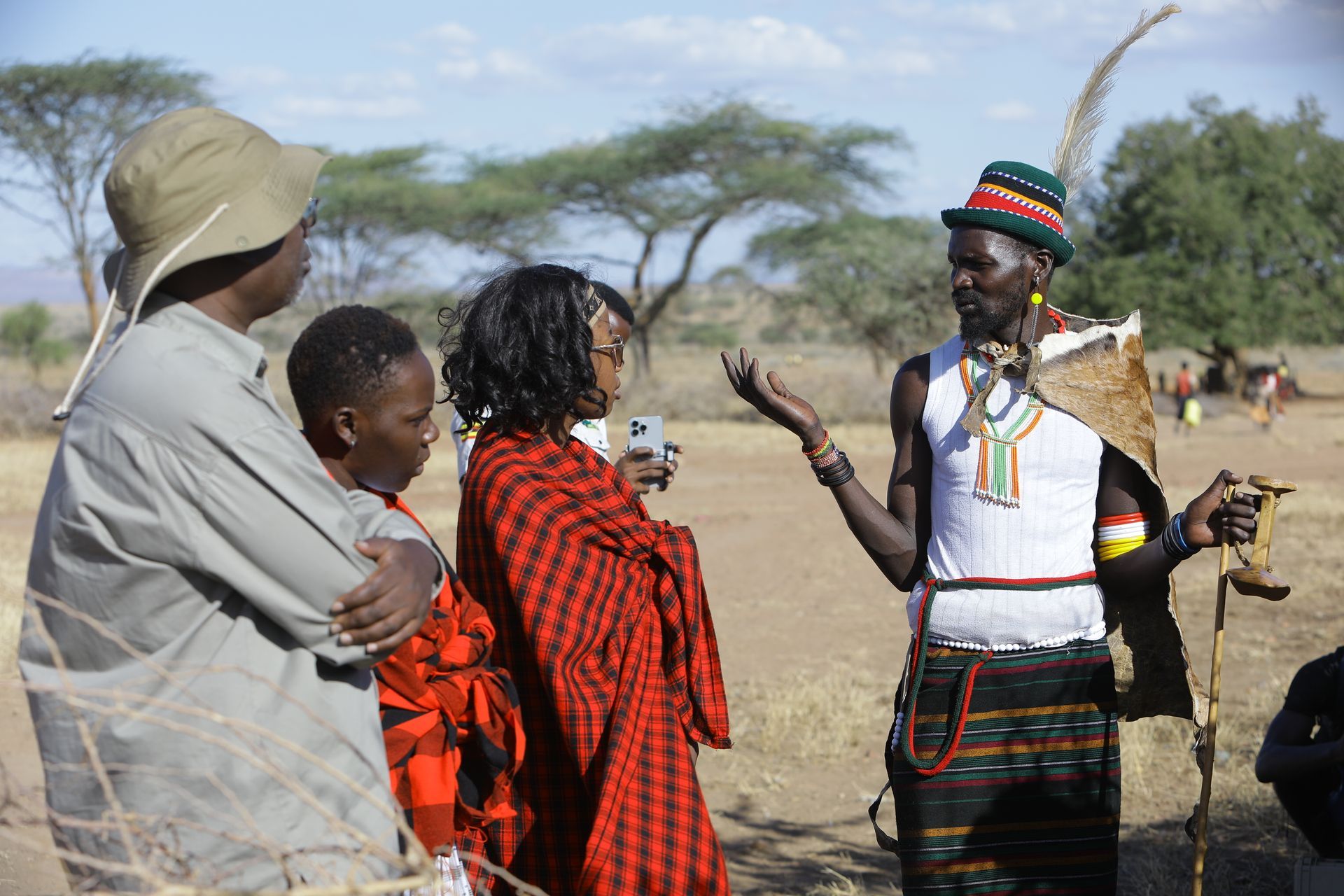
Very sparsely—but the Himba and other semi-nomadic communities live in and around the northern part of the region.
Quick Navigation
At a Glance
- Country: Namibia
- Location: Northwestern Namibia, Atlantic coast
- Established: 1971
- Size: ~16,000 km²
- Known For: Shipwrecks, coastal dunes, desert wildlife
- Best Time to Visit: May to October (dry season, cooler weather)