Pantanal Matogrossense National Park
Overview
Pantanal Matogrossense National Park protects part of the Pantanal, the largest tropical wetland on Earth and a UNESCO Biosphere Reserve. Located in the state of Mato Grosso, this park is a haven for wildlife lovers, birders, and nature photographers. Unlike dense rainforests, the open plains and waterways of the Pantanal make wildlife spotting easier, with excellent chances to see jaguars, giant otters, caimans, and hundreds of bird species. The park is especially magical during the flood season, when rivers and lagoons take over the land.
Fun Facts
- The Pantanal covers up to 210,000 km²—larger than England!
- Over 650 bird species live here—making it a top global birding destination.
- It’s one of the best places on Earth to see wild jaguars.
- Floods cycle annually, creating rich feeding grounds for wildlife.
Things to Do
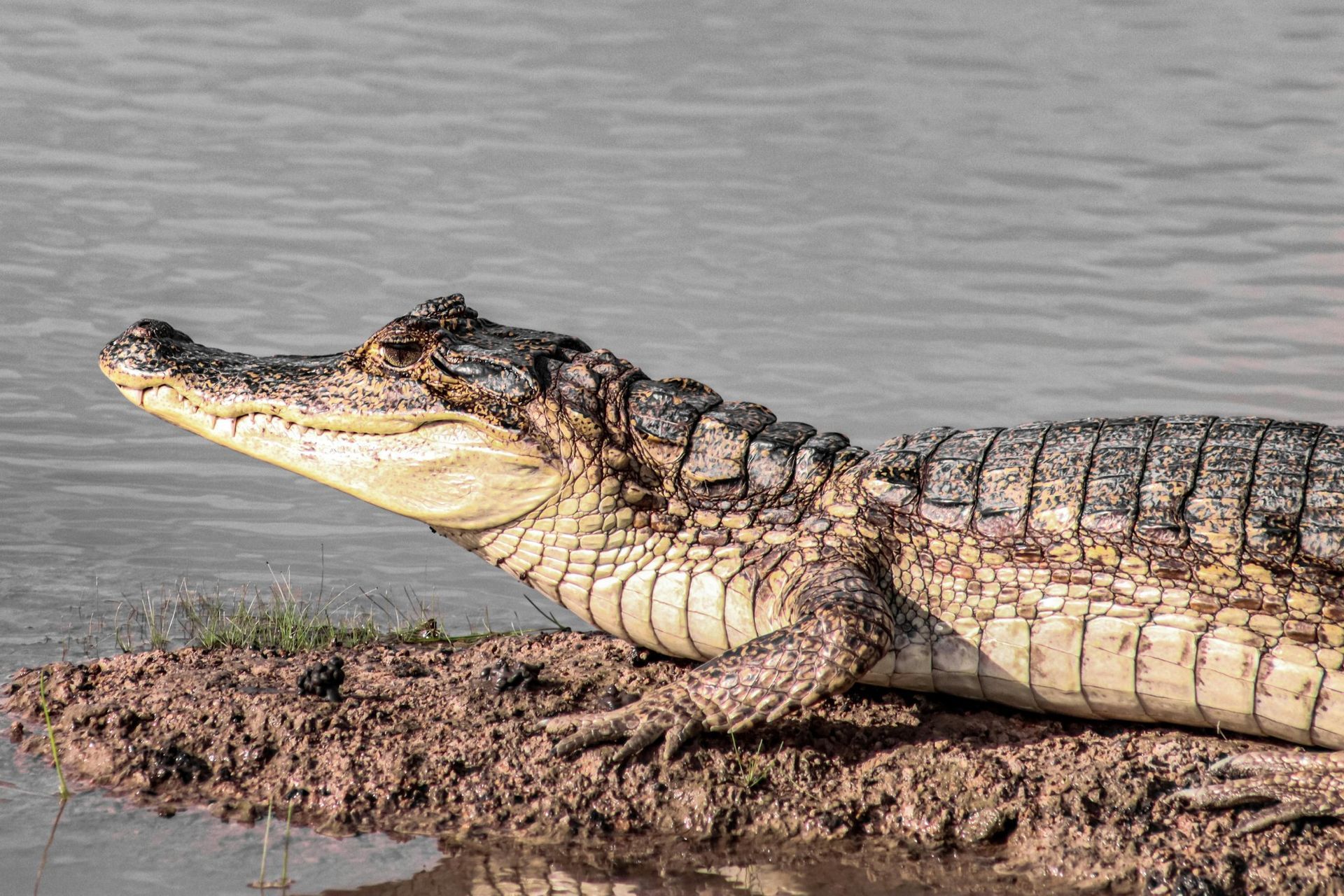
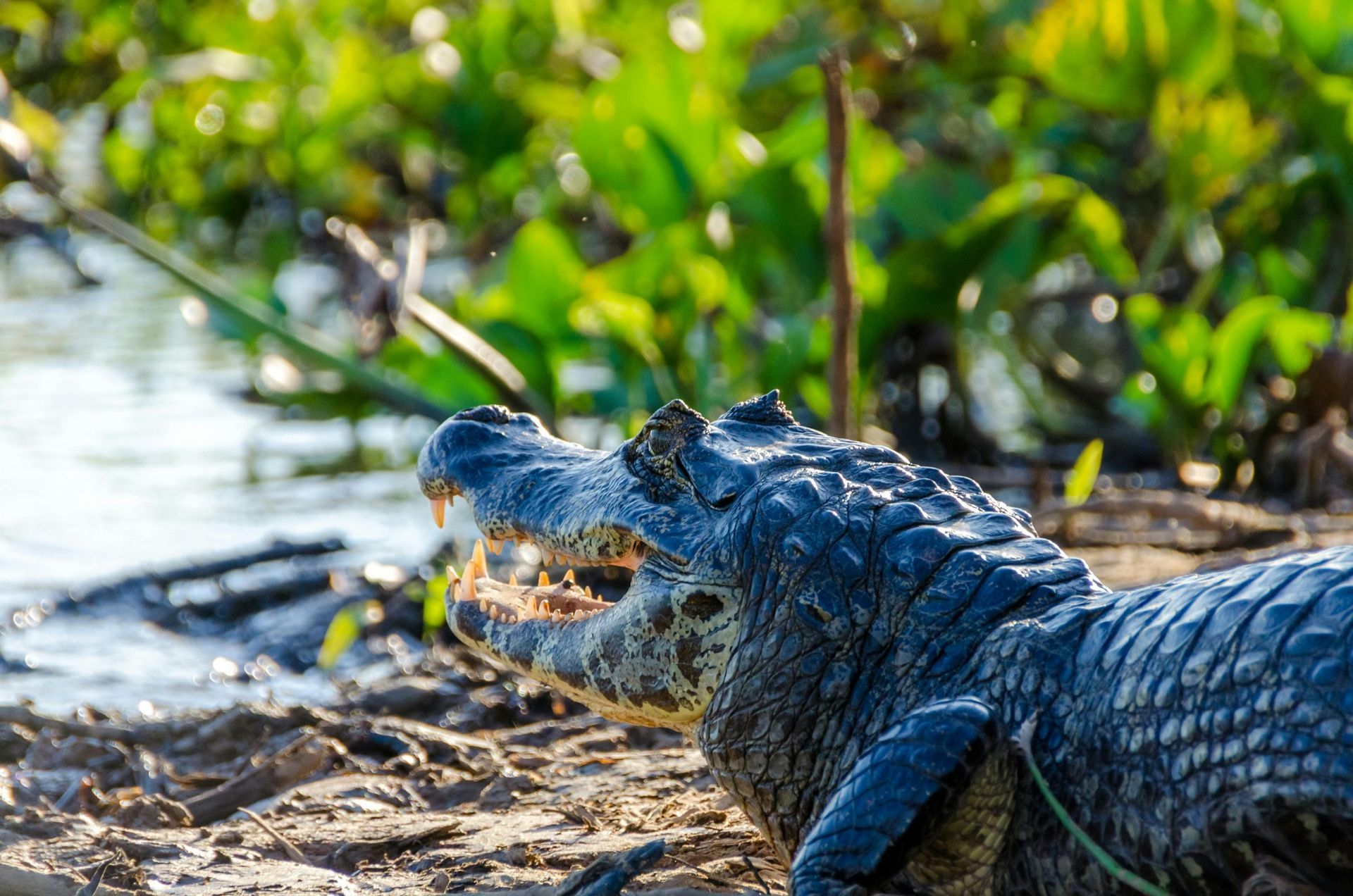
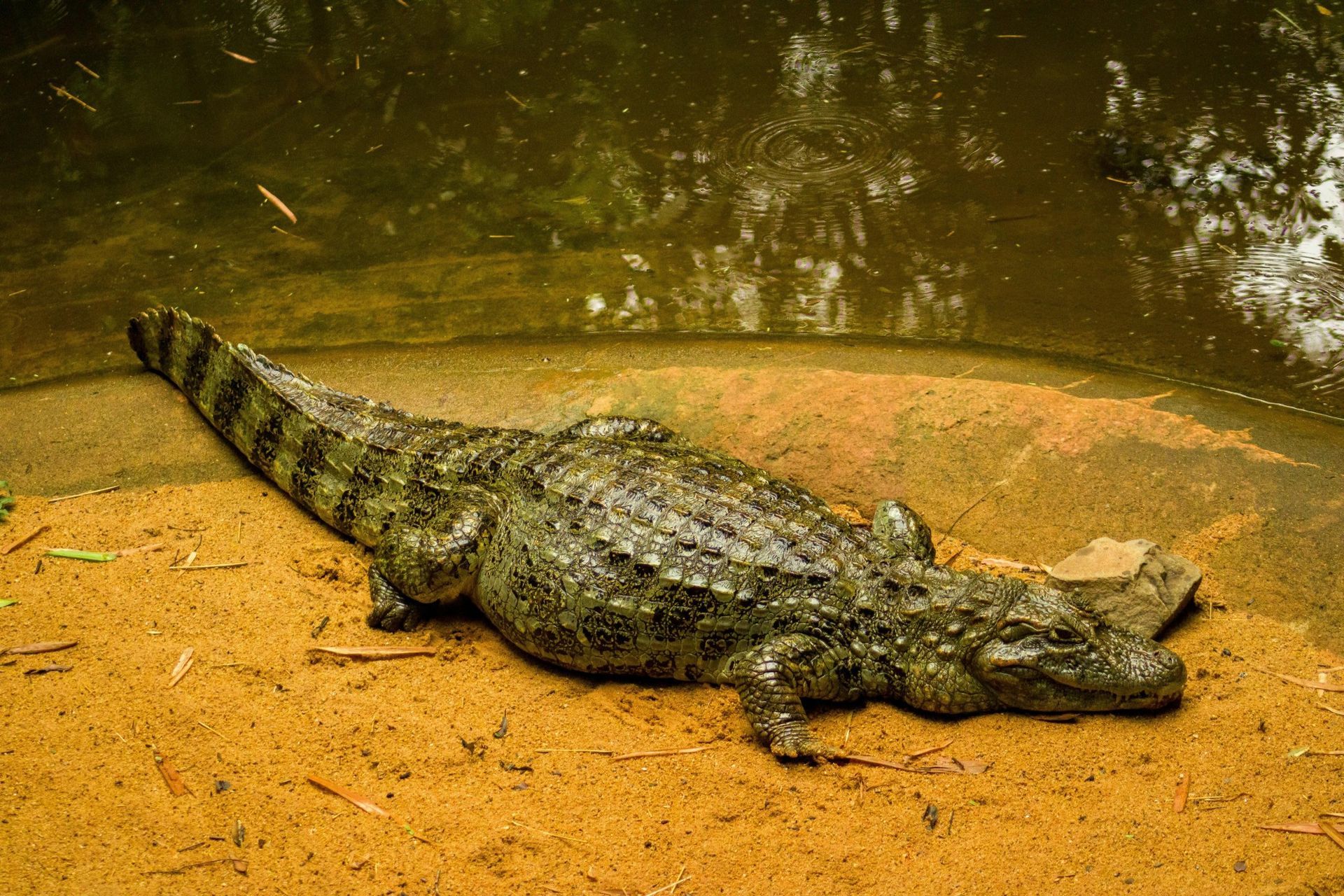
- Take boat safaris to look for jaguars, capybaras, and caimans.
- Birdwatch for species like the jabiru stork, hyacinth macaw, and roseate spoonbill.
- Explore flooded forests and savannas by canoe or motorboat.
- Visit during the dry season for better access and concentrated game viewing.
Gallery
Where It’s Located
- Region: Mato Grosso State, western Brazil
- Distance: ~8–9 hours by road and boat from Cuiabá
- Nearest Entry Point: Porto Jofre or Caracará checkpoint (via Transpantaneira Road)
- Access: By 4x4 and boat; best reached through organized wildlife tours or lodges
Wildlife Highlights
- Jaguars (highest visibility in South America)
- Giant otters
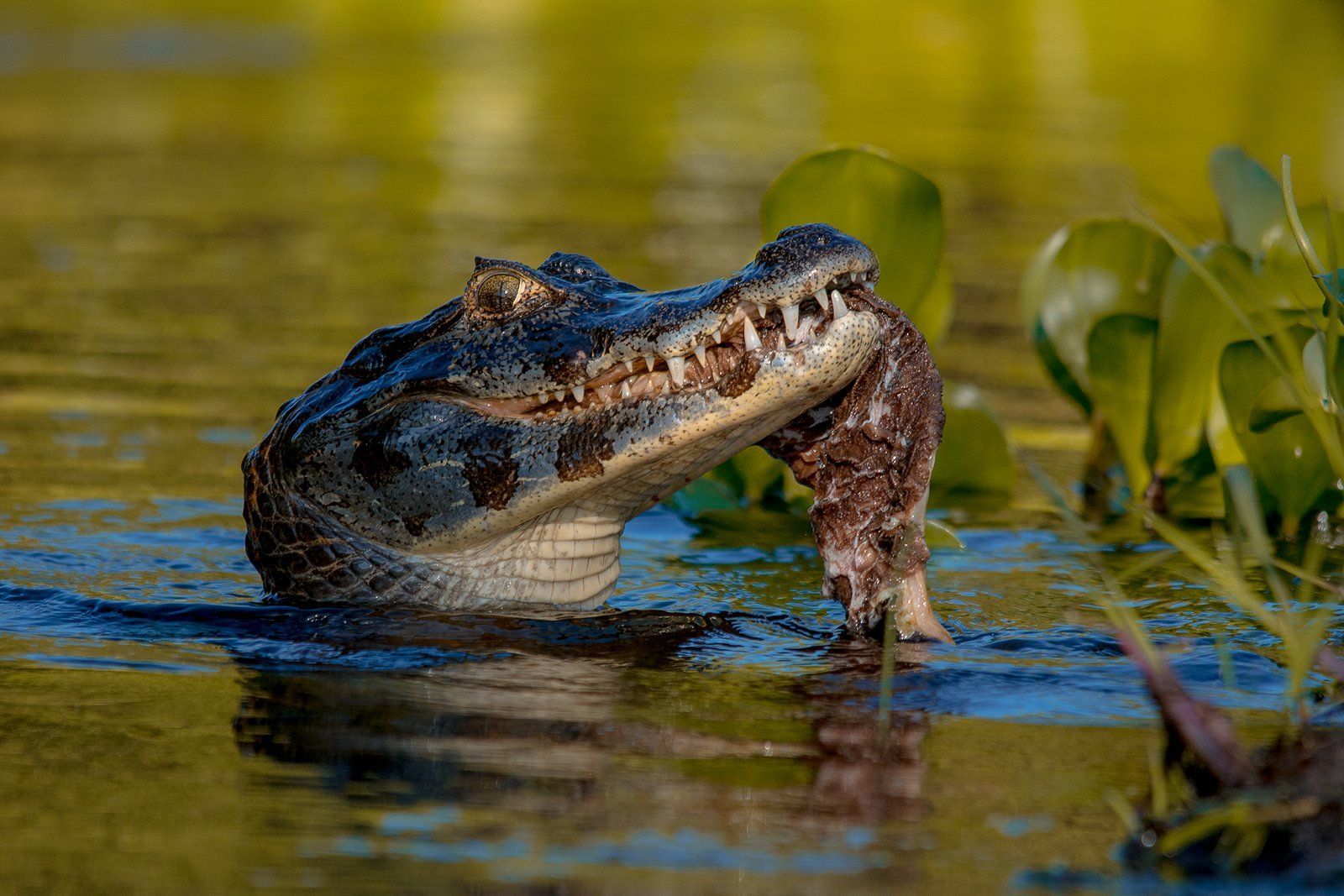
- Caimans and anacondas
- Capybaras and marsh deer
- Hyacinth macaws
- Jabiru storks and herons
FAQs
Can you really see jaguars here?
Yes—the Pantanal offers the world’s best chance to spot wild jaguars, especially near rivers in the dry season.
Is the park easy to visit independently?
Not really—it’s remote and best accessed through lodges or guided tours from Cuiabá or Campo Grande.
What’s the difference between the Pantanal and the Amazon?
The Pantanal is more open, making wildlife easier to spot. It has fewer species, but denser animal concentrations.
Is it a good place for birdwatching?
Absolutely—it’s considered one of the best birding areas in the world, with seasonal migrations and unique wetland species.
Quick Navigation
At a Glance
- Country: Brazil
- Location: Mato Grosso State
- Established: 1981
- Size: ~1,350 km²
- Known For: Jaguars, wetlands, birdlife, boat safaris
- Best Time to Visit: July to October (dry season; best for jaguar sightings)