Omo National Park
Overview
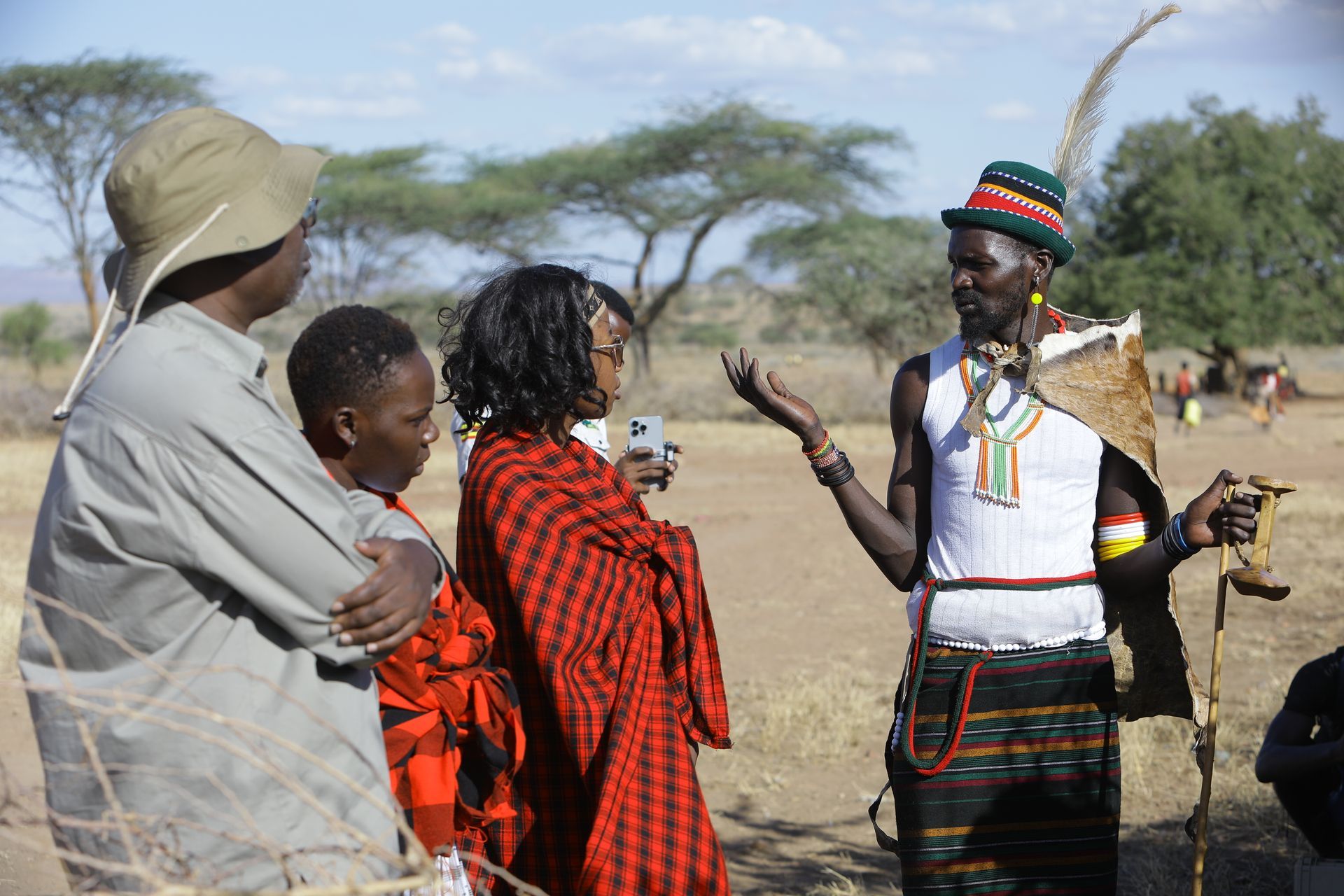
Omo National Park is one of Ethiopia’s most remote and untouched natural areas, located along the western bank of the Omo River. Covering over 4,000 km² of wilderness, the park is home to diverse wildlife and surrounded by some of the most culturally rich tribal communities in Africa. While wildlife is present, Omo is more renowned for its raw landscapes and immersion into the cultural mosaic of the Omo Valley. It’s a destination for adventurers, anthropologists, and travelers seeking deep, off-the-grid experiences.
Fun Facts
- Omo is one of Ethiopia’s oldest parks, established in 1966.
- Located near the UNESCO-recognized Lower Omo Valley, rich in prehistoric fossils.
- Home to over 15 distinct tribes, including Mursi, Nyangatom, Surma, and others.
- The Omo River creates lush floodplains vital for both wildlife and agriculture.
Things to Do
- Visit Omo Valley tribal communities with respectful, ethical guides.
- Take boat trips or drives along the Omo River.
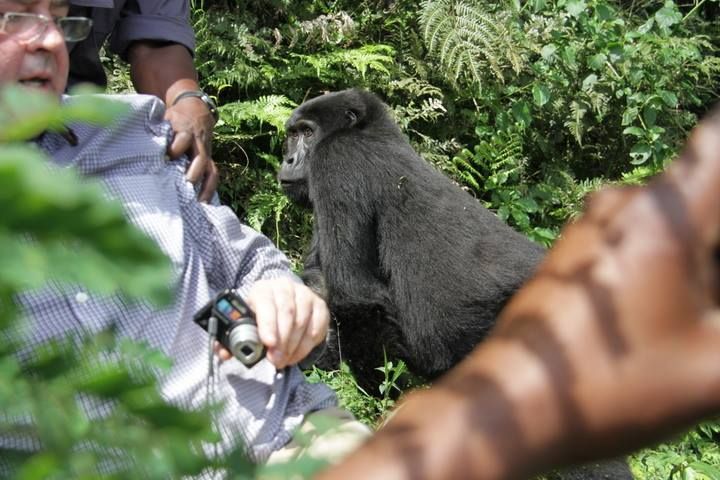
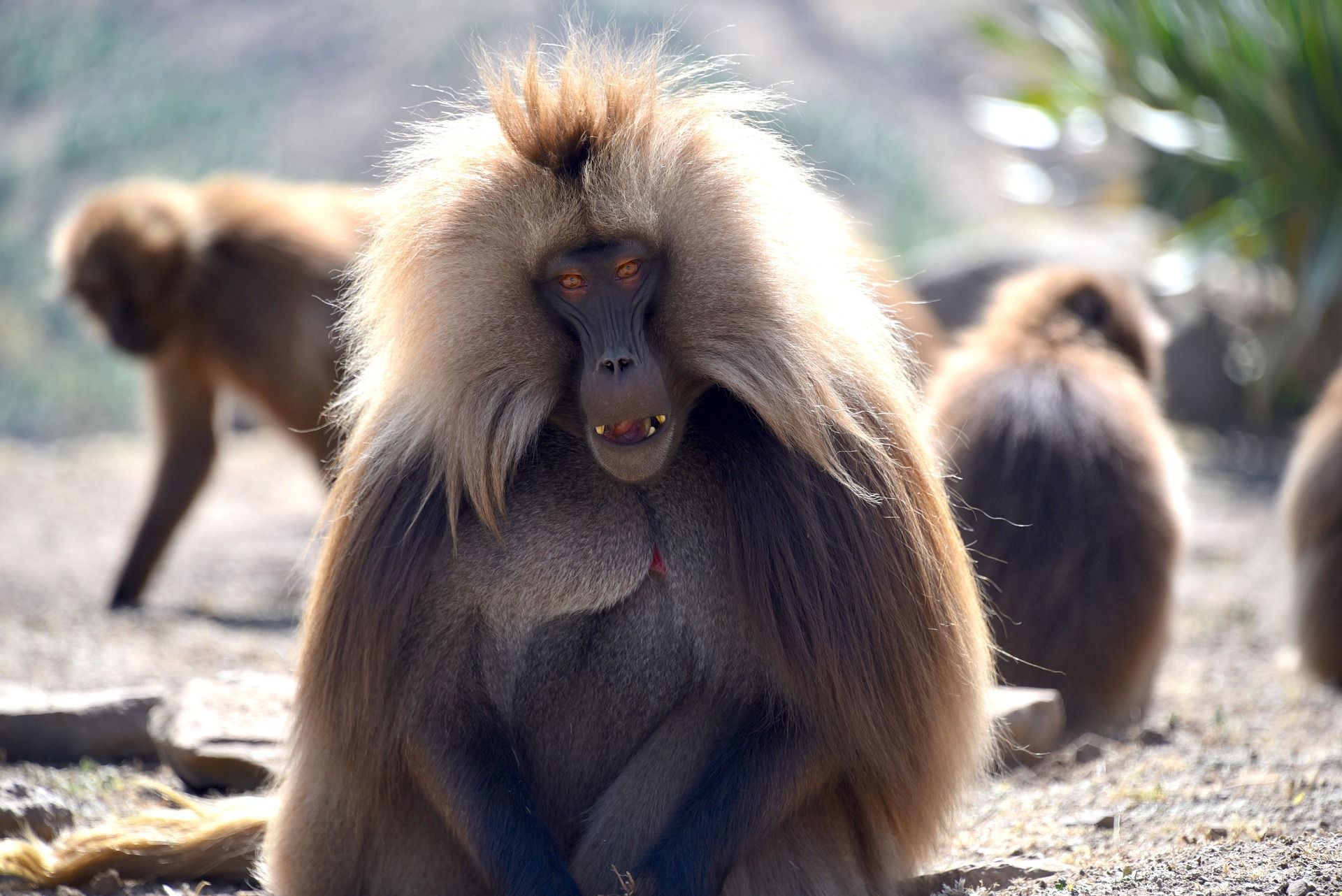
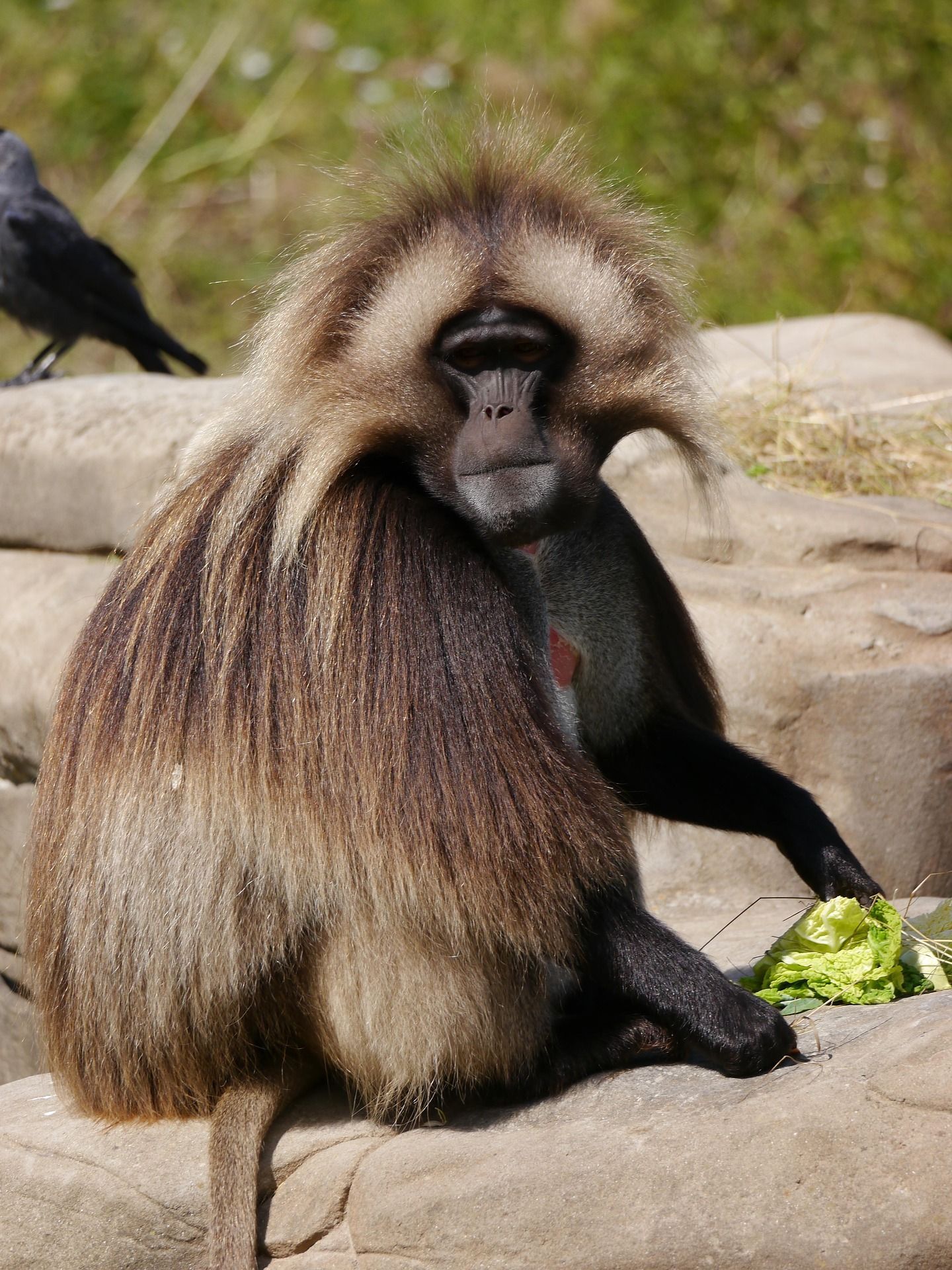
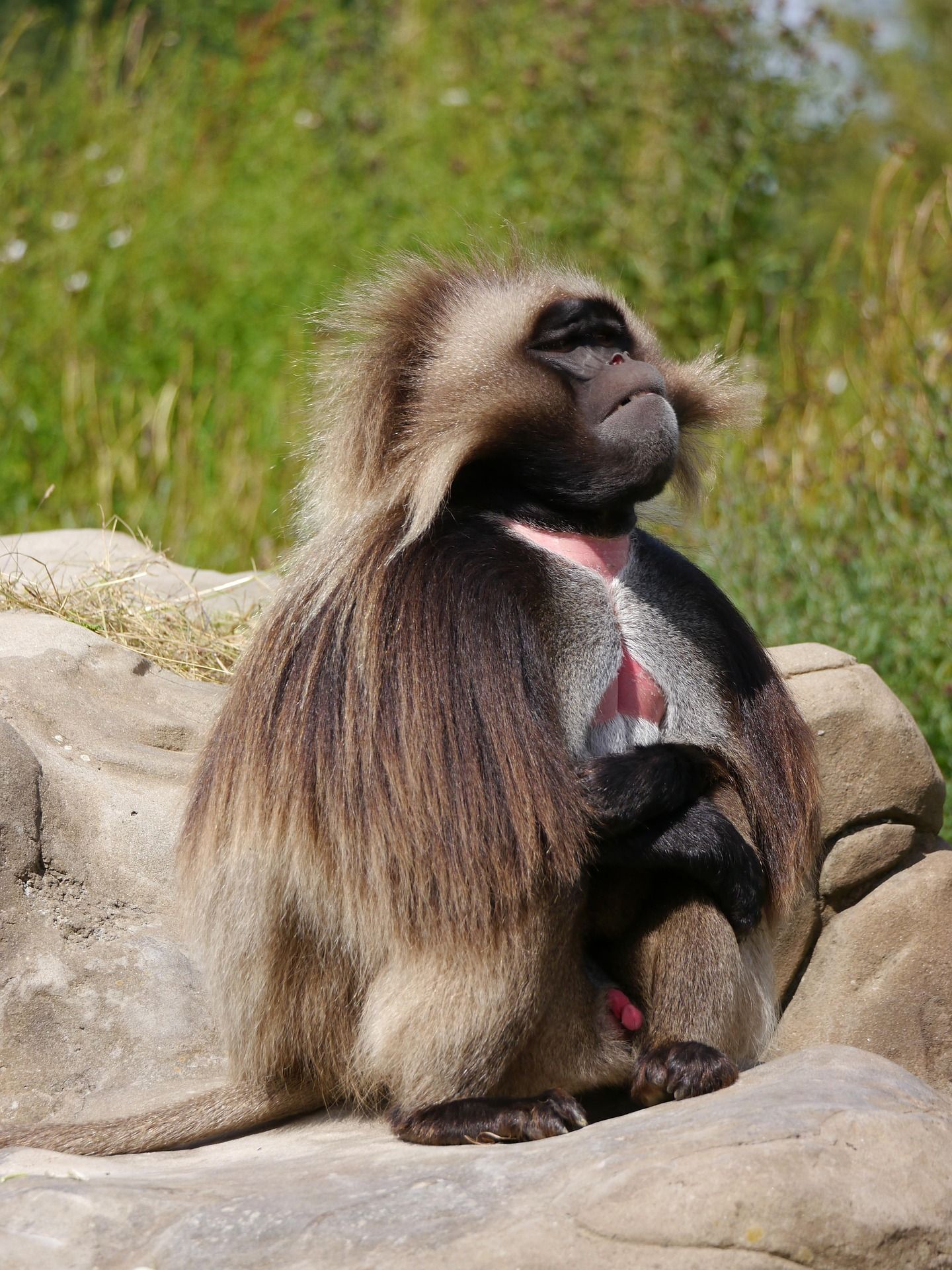
- Spot savanna wildlife, including antelope, giraffes, and baboons.
- Camp under the stars or photograph dramatic riverine landscapes.
Gallery

Where It’s Located
- Region: Southwestern Ethiopia, near the South Sudan border
- Distance: ~12–14 hours by road from Addis Ababa
- Nearest Entry Point: Kibish or Mizan Teferi (via Jinka)
- Access: By road or charter flight; remote access requires experienced tour operators
Wildlife Highlights
- African buffalo
- Lesser kudu
- Giraffes
- Olive baboons
- Crocodiles and hippos
- Migratory waterbirds
FAQs
Is Omo National Park easy to access?
No—it’s extremely remote. Reaching the park typically requires logistics support and guides, often starting from Jinka or Mizan Teferi.
Is the focus more on culture or wildlife?
Both are present, but the cultural diversity of Omo Valley tribes is the park’s biggest draw. Wildlife sightings are possible but not guaranteed.
Can I camp in the park?
Yes—most visits include wild camping or basic lodges just outside park boundaries, especially in Kibish or tribal villages.
Is it safe to visit Omo?
Yes—with proper planning and local support, the region is safe and culturally rewarding.
Quick Navigation
At a Glance
- Country: Ethiopia
- Location: Southwestern Ethiopia, Omo Valley
- Established: 1966
- Size: ~4,068 km²
- Known For: Tribal cultures, Omo River, remote wilderness
- Best Time to Visit: November to March (dry season, easier access)