Mount Kenya National Park
Overview
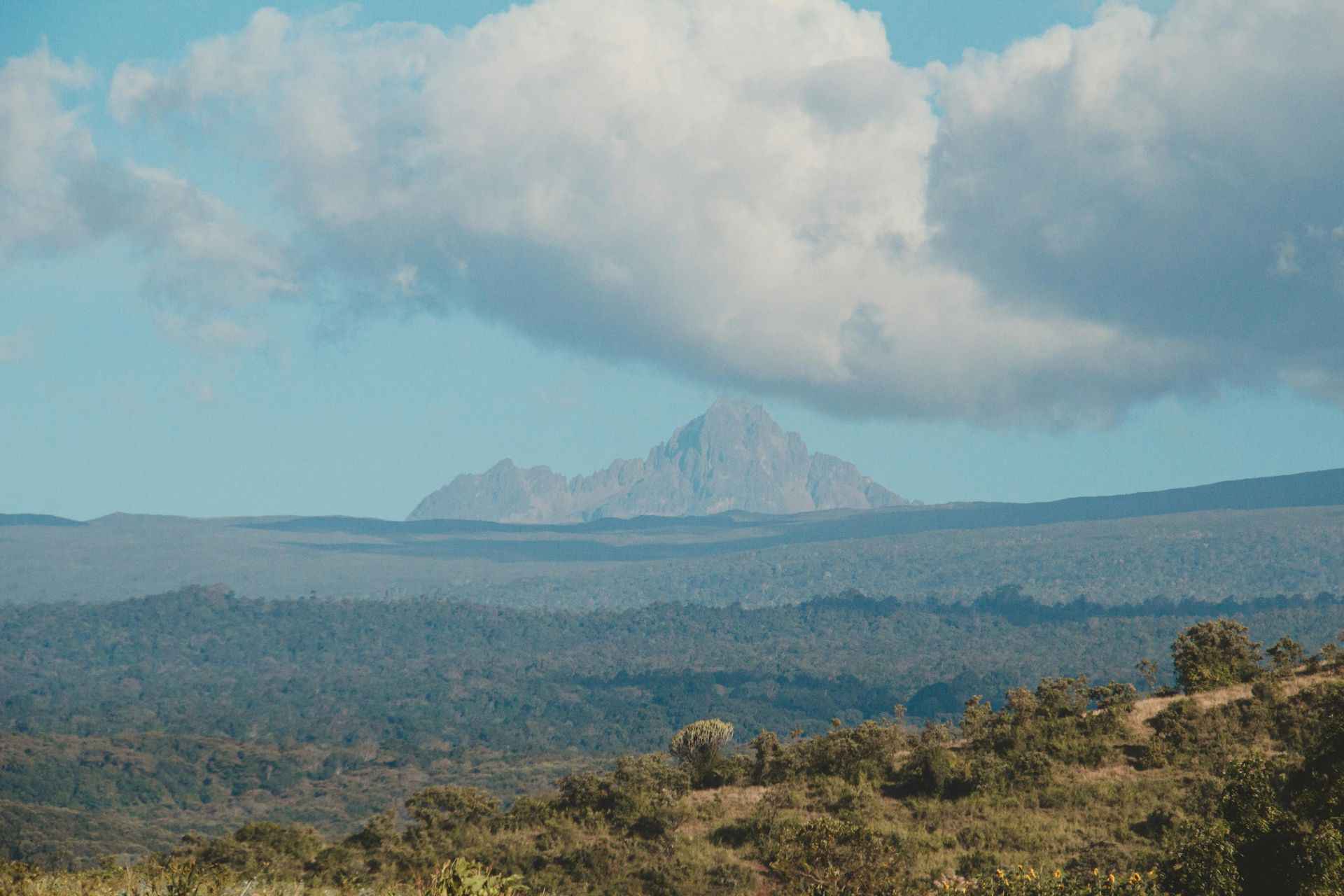
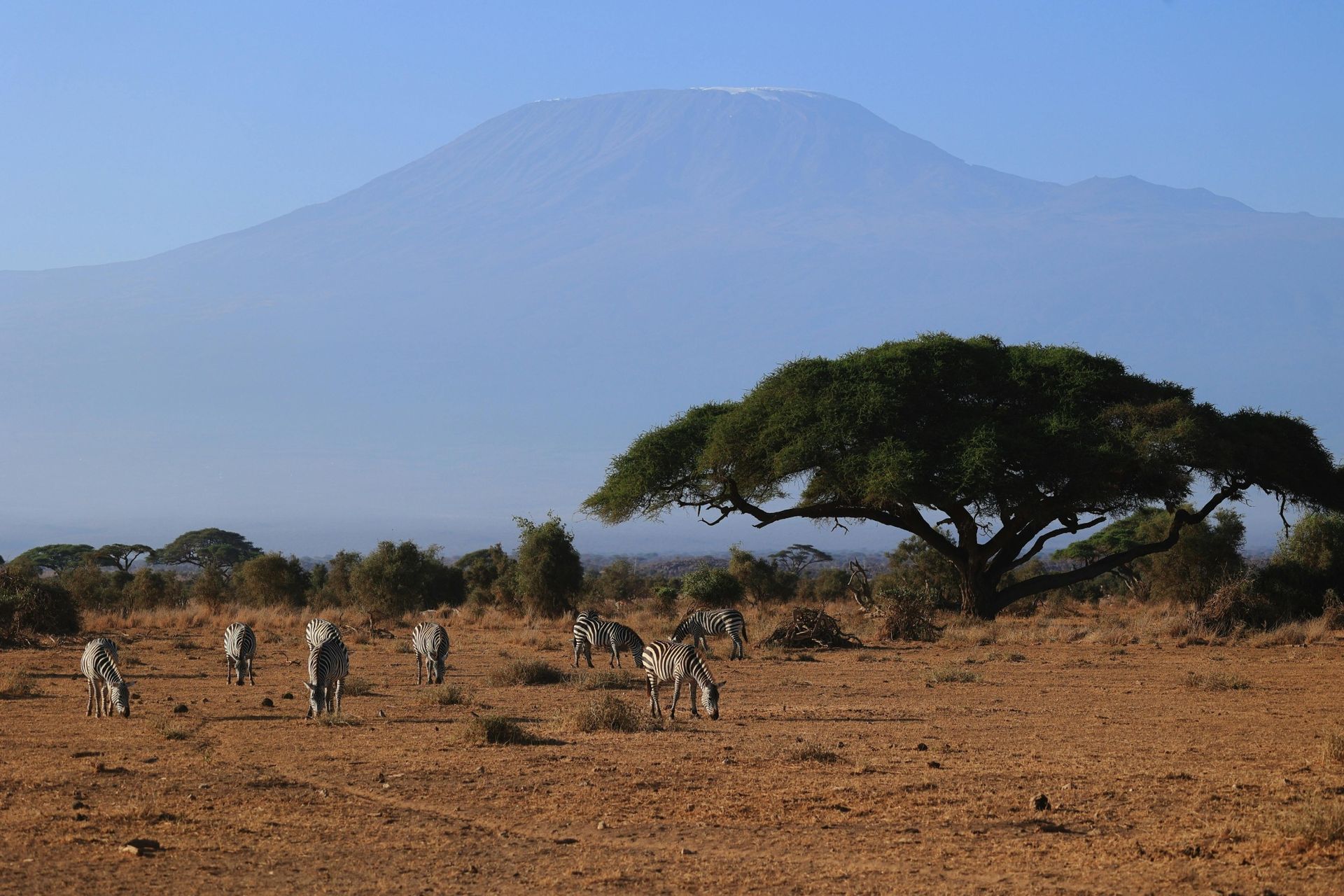
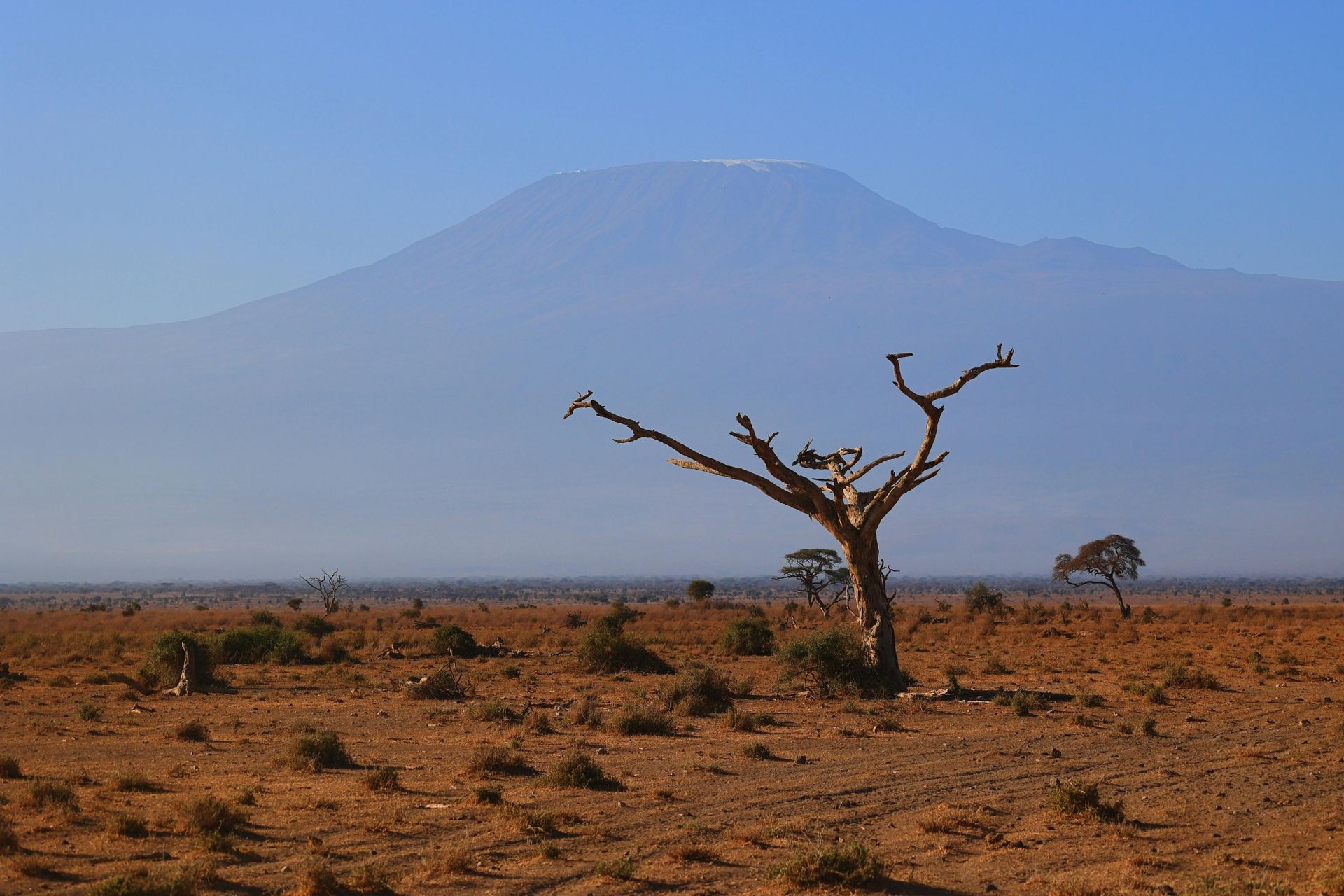
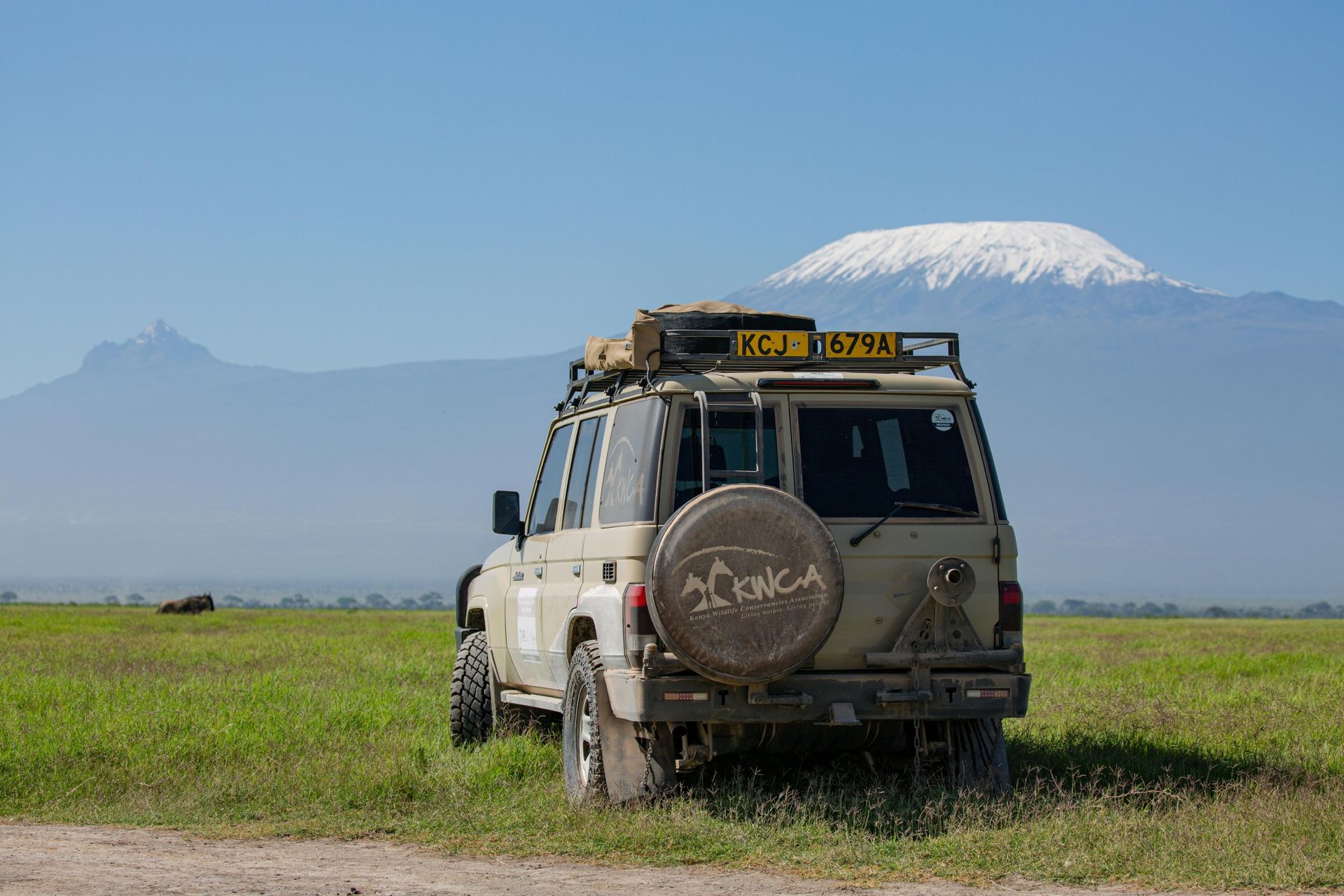
Mount Kenya National Park is a breathtaking alpine wilderness surrounding Africa’s second-highest mountain. The park features rugged peaks, glacier-fed lakes, bamboo forests, and moorlands that create a stunning contrast to the typical savannah landscapes. Its diverse ecosystems support unique wildlife like mountain bongos, hyraxes, and high-altitude bird species — all beneath jagged volcanic summits.
While many visit for hiking and climbing, the park also offers gentler trails, forest walks, and cultural experiences with communities living near its lower slopes. Mount Kenya is a place of both ecological and spiritual significance, recognized as a UNESCO World Heritage Site and considered sacred by local communities. It’s an excellent option for travelers seeking elevation, solitude, and natural wonder.
Fun Facts
- Mount Kenya is the second-highest peak in Africa at 5,199 meters.
- The park is a UNESCO World Heritage Site.
- The Kikuyu people consider the mountain the home of their god, Ngai.
- You can experience equatorial snow and glaciers here.
- The park’s climate changes dramatically by altitude — from forest to alpine desert.
Things to Do
- Hiking & Trekking – Multi-day climbs or short nature hikes through forest and moorland.
- Birdwatching – Spot highland species like the Tacazze sunbird and scarlet-tufted malachite sunbird.
- Scenic Drives – Enjoy mountain views and forest roads near the park's lower gates.
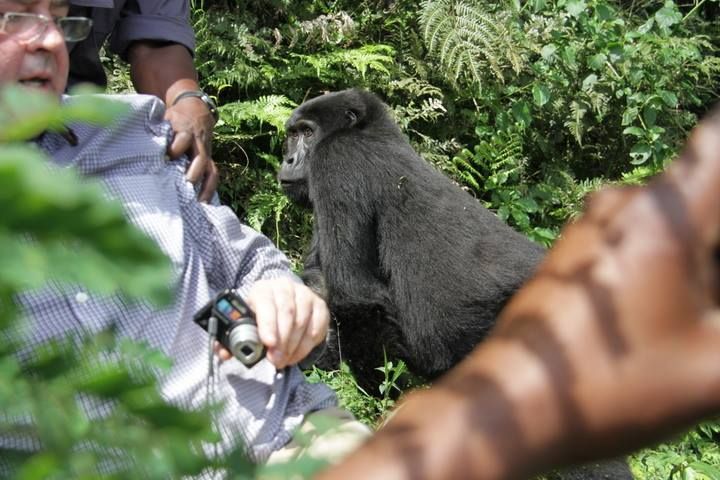
- Wildlife Spotting – See forest elephants, buffalo, and mountain antelope.
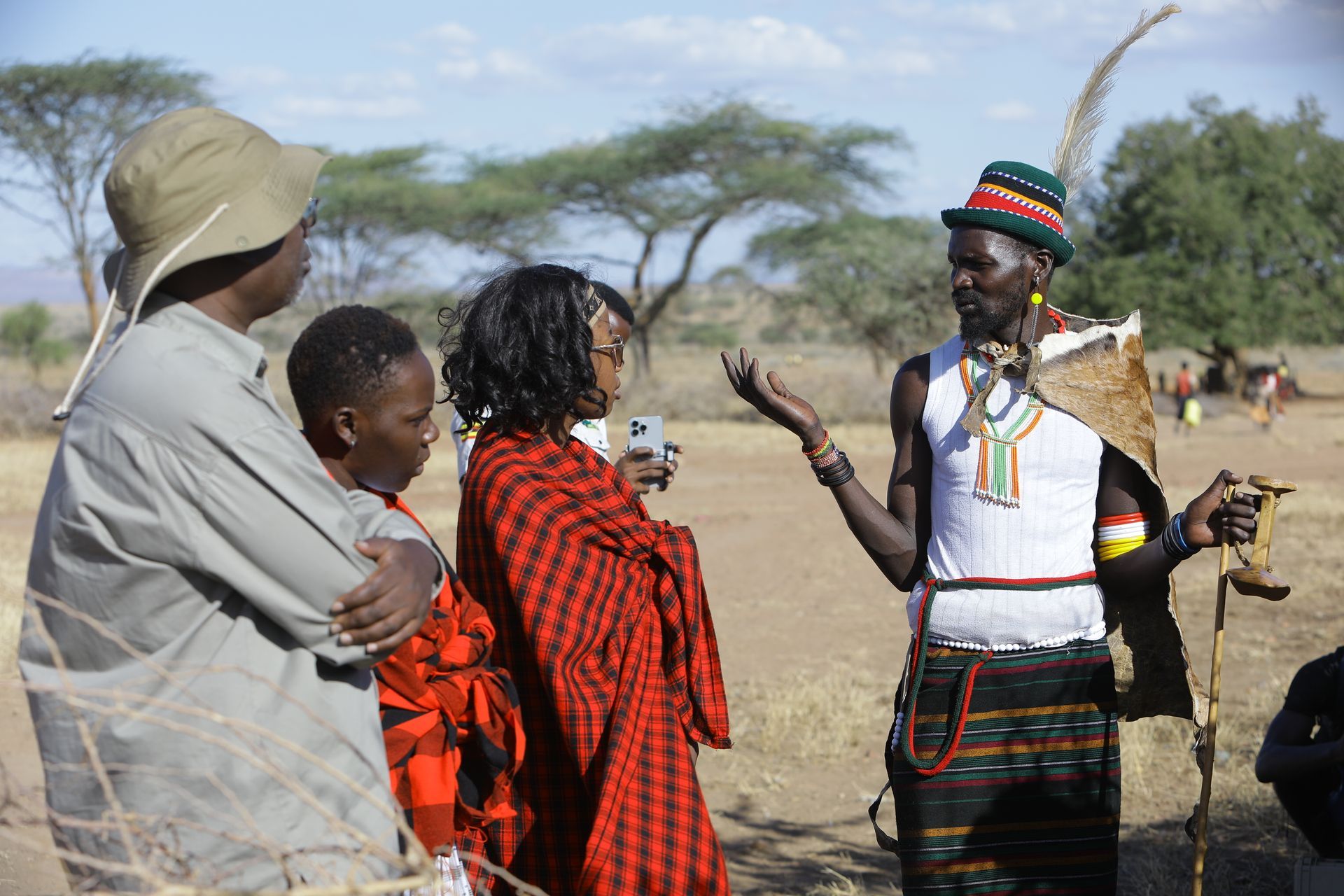
- Cultural Tours – Learn about Kikuyu traditions and local conservation efforts.
Gallery
Where It’s Located
- Region: Central Kenya
- Distance: About 3.5 hours by road from Nairobi
- Nearest Gate: Sirimon or Naro Moru Gate
- Access: Accessible via Nanyuki or Nyeri by paved road; charter flights available to nearby airstrips
Wildlife Highlights
- Forest elephants
- Mountain bongos
- Buffalo
- Hyraxes
- Colobus monkeys
FAQs
Do I need to be an experienced climber to visit Mount Kenya?
No — while the highest peaks require climbing, there are many shorter hikes and scenic areas for casual visitors.
What’s the best time to climb or hike Mount Kenya?
January–March and July–October offer the clearest weather and best trail conditions.
Is Mount Kenya less crowded than Kilimanjaro?
Yes — it’s often quieter, making it a great choice for travelers seeking a more peaceful mountain experience.
Are guided treks available?
Yes — experienced guides and porters are recommended for any multi-day trek or summit attempt.
Quick Navigation
At a Glance
- Country: Kenya
- Location: Central Highlands
- Established: 1949
- Size: 715 km²
- Known For: Alpine peaks, trekking, rare wildlife
- Best Time to Visit: January–March & July–October