Matobo National Park
Overview
Matobo National Park (also spelled Matopos) is a place of spiritual, cultural, and natural significance. Located just south of Bulawayo, the park is known for its otherworldly granite formations, ancient San rock art, and populations of white and black rhinos. It’s a UNESCO World Heritage Site and one of the best places in Southern Africa for rhino tracking on foot. Visitors also come to see the grave of Cecil Rhodes and experience the unique spiritual atmosphere of these ancient hills.
Fun Facts
- The park contains some of the oldest exposed granite on Earth, over 3 billion years old.
- Home to over 3,000 registered San rock art sites—among the largest concentrations in Africa.
- The name "Matobo" comes from the Ndebele word for “bald heads,” referring to the rounded hills.
- This is one of the few places in Zimbabwe to see both white and black rhinos.
Things to Do
- Track white rhinos on foot with experienced guides.
- Explore World’s View, the hilltop grave site of Cecil Rhodes.
- Visit caves with San rock art, like Nswatugi Cave.
- Hike or drive through the stunning granite kopjes and valleys.
- Watch for eagles—the park has one of the highest concentrations of raptors in the world.
Gallery
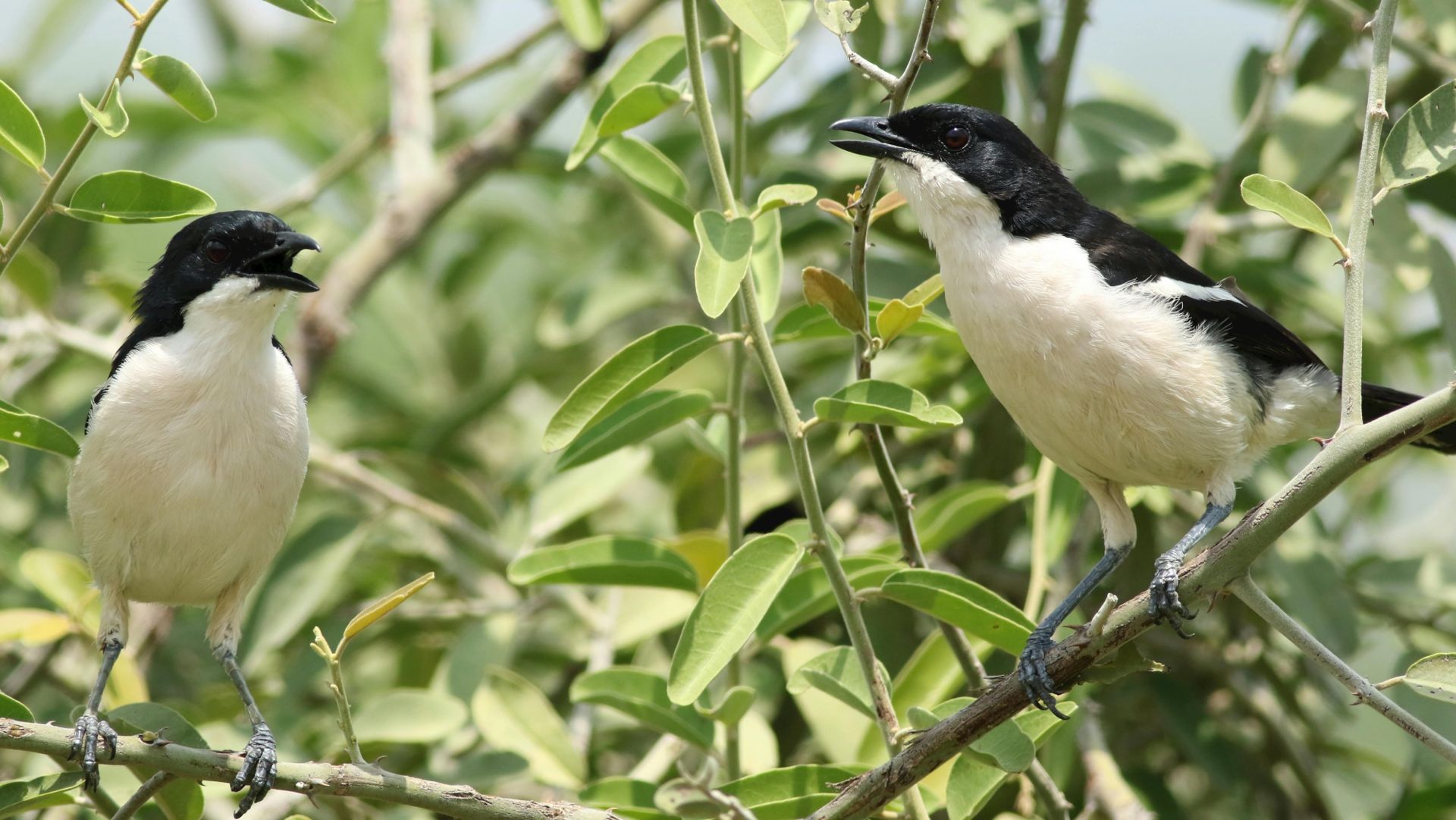
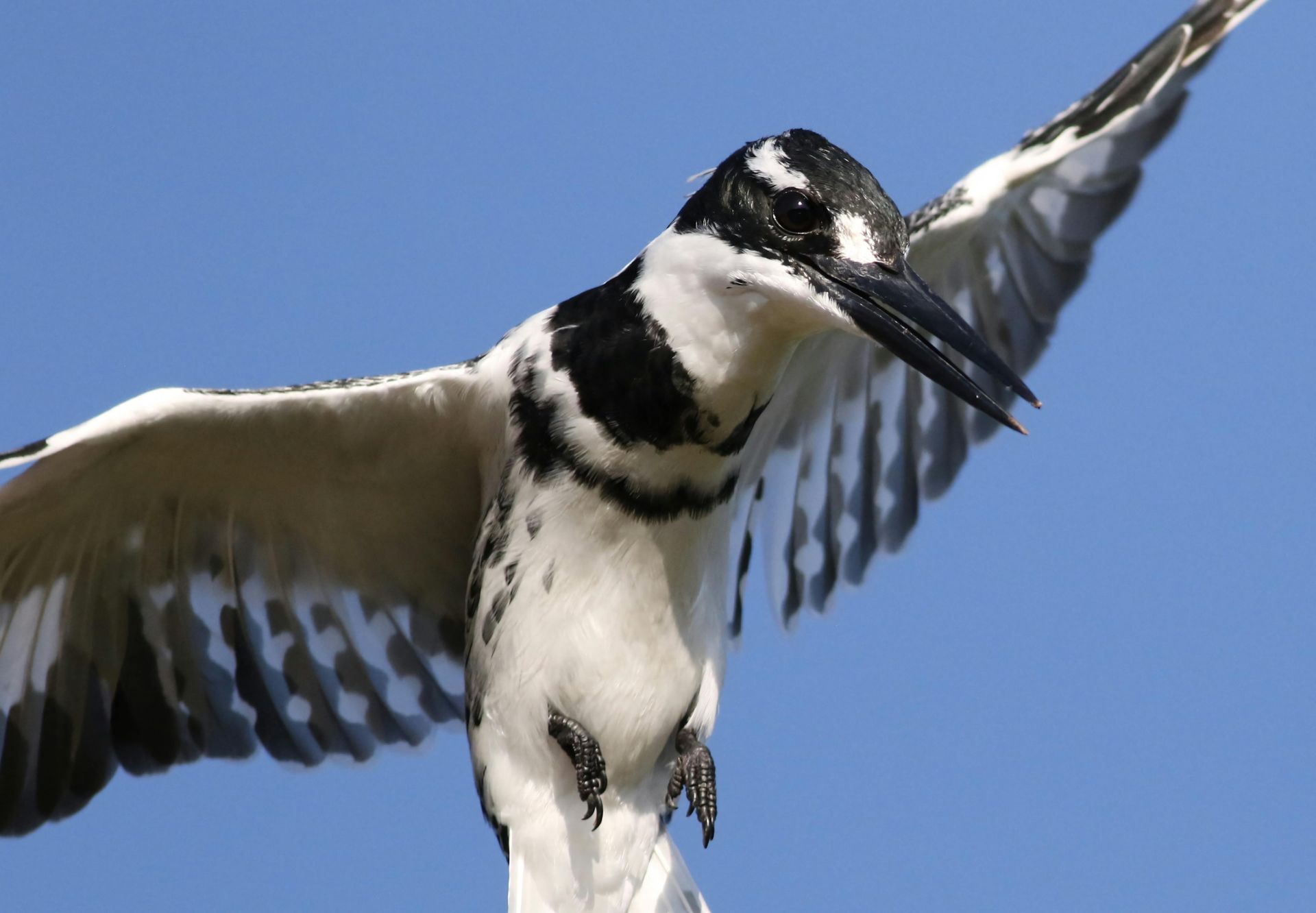
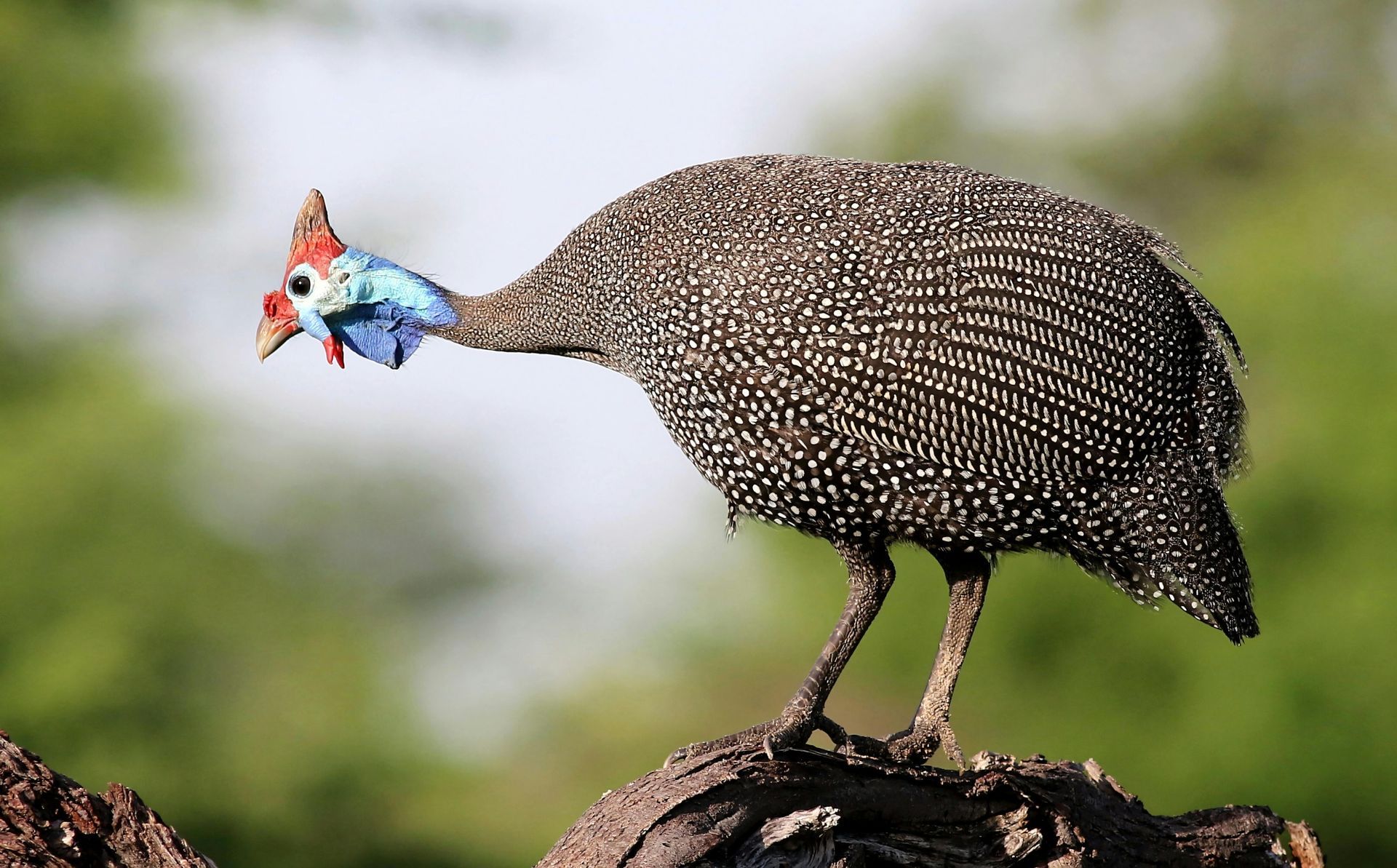
Where It’s Located
- Region: Southern Zimbabwe, near Bulawayo
- Distance: ~45 km (~1 hour) from Bulawayo by road
- Nearest Entry Point: Main Gate near Maleme Rest Camp
- Access: Easily accessible by road from Bulawayo; good for day trips or overnight stays
Wildlife Highlights
- White rhinoceros (on-foot tracking)
- Black rhinoceros (more elusive)
- Leopards (excellent habitat among the rocks)
- Klipspringer and rock hyrax
- Black eagles and other raptors
FAQs
Can you really walk with rhinos in Matobo?
Yes—guided walking safaris allow close, respectful encounters with white rhinos in their natural habitat.
What’s the significance of the granite formations?
They are some of the oldest rocks on Earth, shaped by erosion into dramatic kopjes and boulders, and long used for spiritual and cultural purposes.
Is the park good for cultural tourism?
Absolutely—it’s one of Africa’s richest areas for San rock art and sacred heritage sites.
Where can I stay?
There are lodges, campsites, and rest camps within the park and in nearby Bulawayo.
Quick Navigation
At a Glance
- Country: Zimbabwe
- Location: Southern Zimbabwe
- Established: 1926
- Size: ~424 km²
- Known For: Granite kopjes, San rock art, rhino tracking
- Best Time to Visit: April to October (dry season, best hiking and wildlife)