Kilimanjaro National Park
Overview
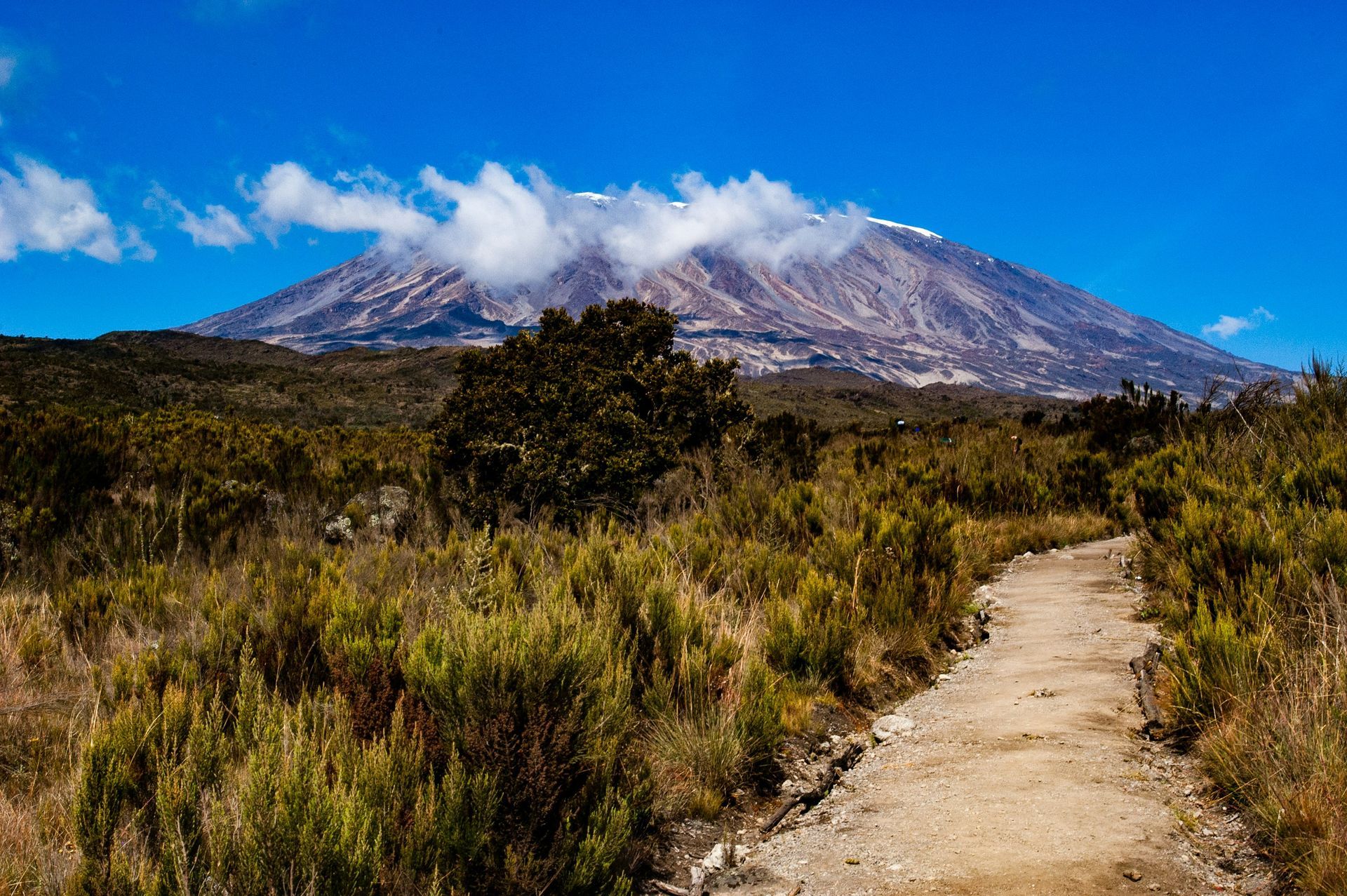
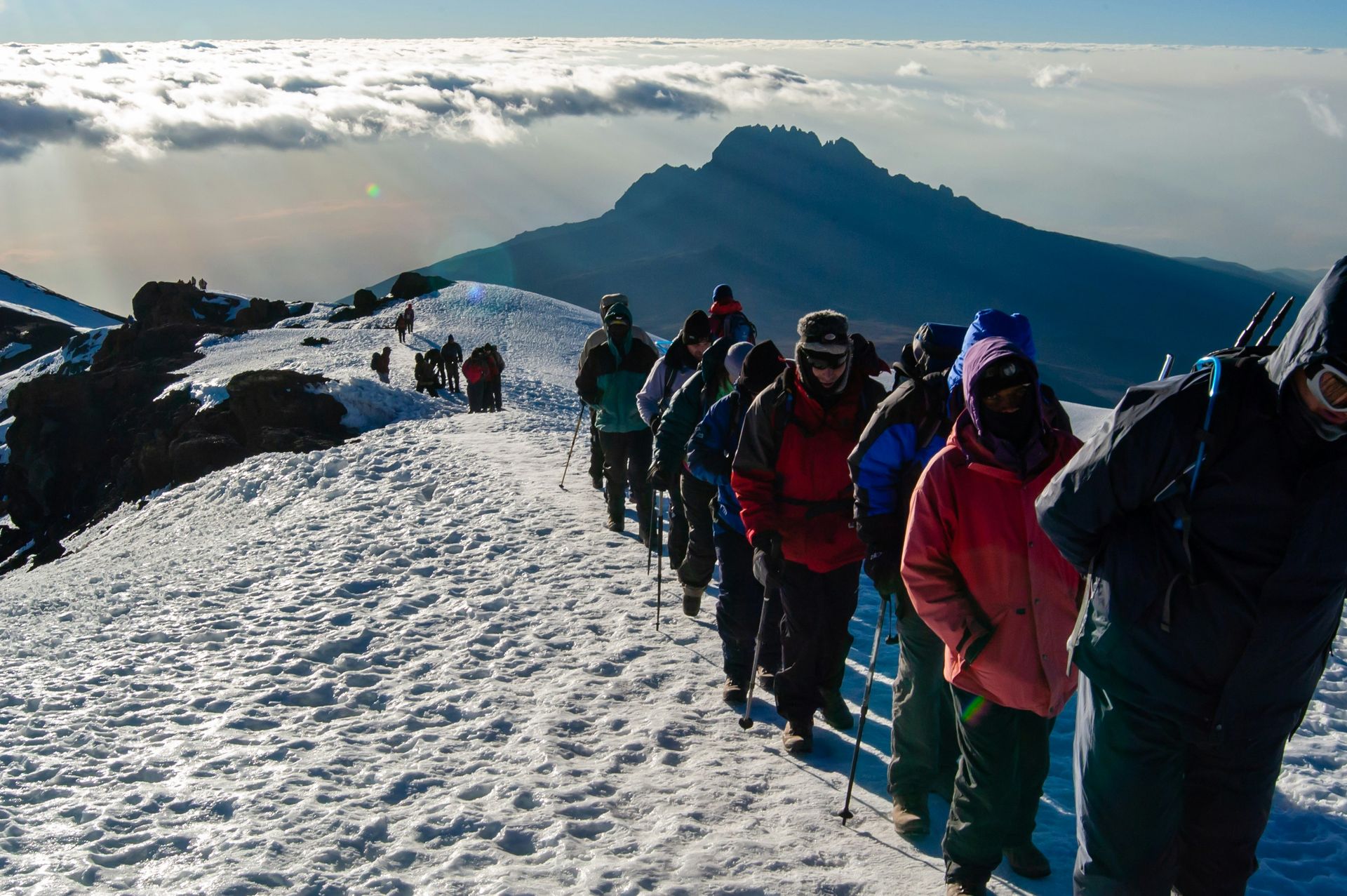
Kilimanjaro National Park is Tanzania’s crown jewel, home to the highest mountain in Africa and the tallest free-standing mountain in the world — Mount Kilimanjaro. The park protects the mountain’s diverse ecological zones, from tropical rainforest to alpine desert and glacial summit. Trekkers from around the globe come to climb to Uhuru Peak, but even shorter hikes reveal breathtaking scenery, wildlife, and unique flora like giant groundsels. Whether you summit or simply explore its lower slopes, Kilimanjaro offers one of the most iconic outdoor experiences in Africa.
Fun Facts
- Mount Kilimanjaro stands at 5,895 meters (19,341 feet)
- First successful summit was in 1889
- There are 7 main trekking routes, each with different scenery and difficulty
- Kilimanjaro is a dormant volcano with 3 cones: Kibo, Mawenzi, and Shira
- You can hike through 5 ecological zones in a single climb
Things to Do
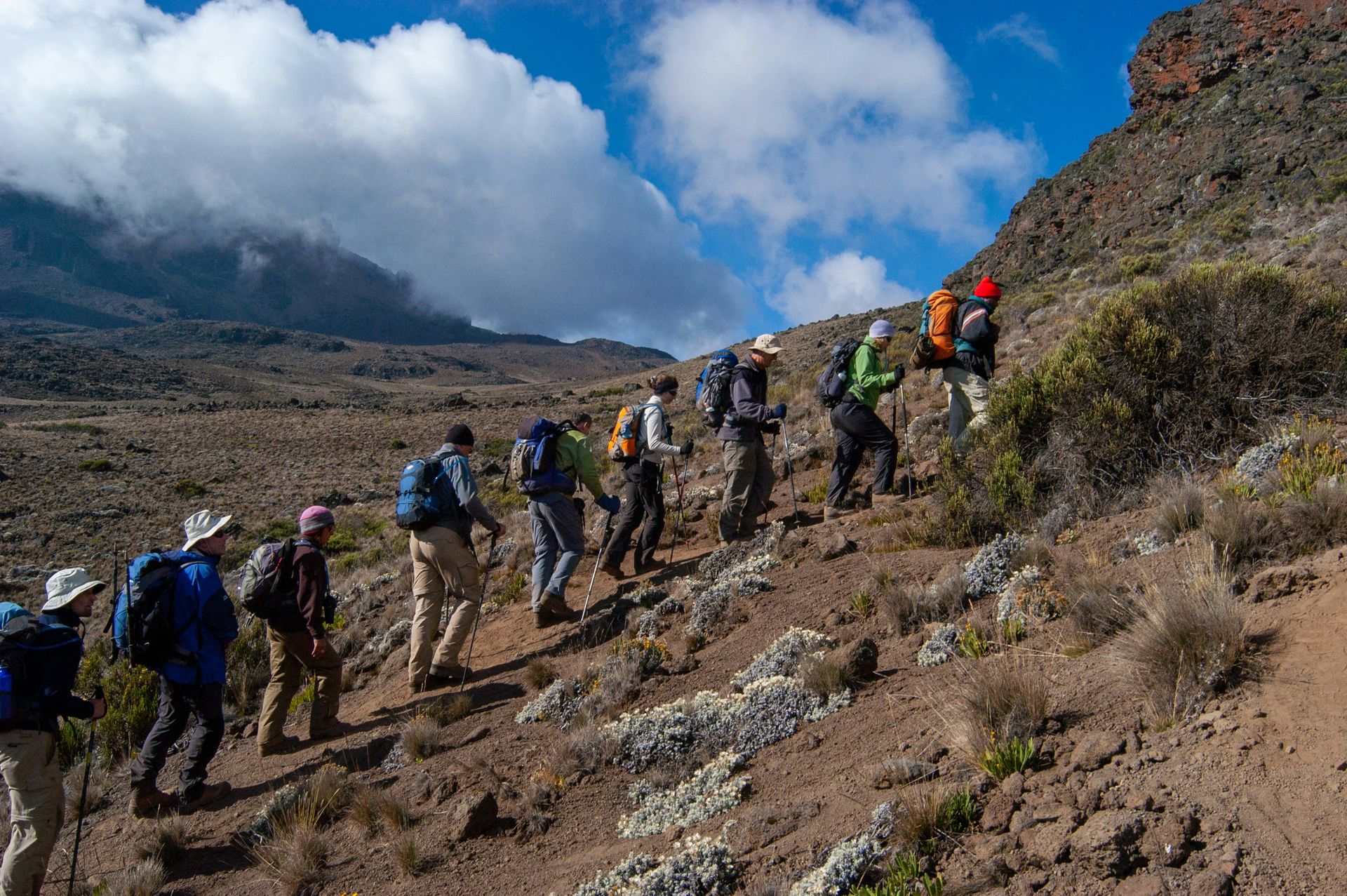
- Multi-day summit treks via Machame, Marangu, Lemosho, or other routes
- Short day hikes on lower slopes (for non-summiters)
- Bird watching and wildlife spotting in the montane forest
- Cultural visits to nearby Chagga villages
- Photography of glaciers, crater rims, and dramatic landscapes
Gallery
Where It’s Located
- Location: Northern Tanzania, near Moshi
- Travel: Easily accessible by road from Arusha or Kilimanjaro International Airport
- Nearest town: Moshi
Wildlife Highlights
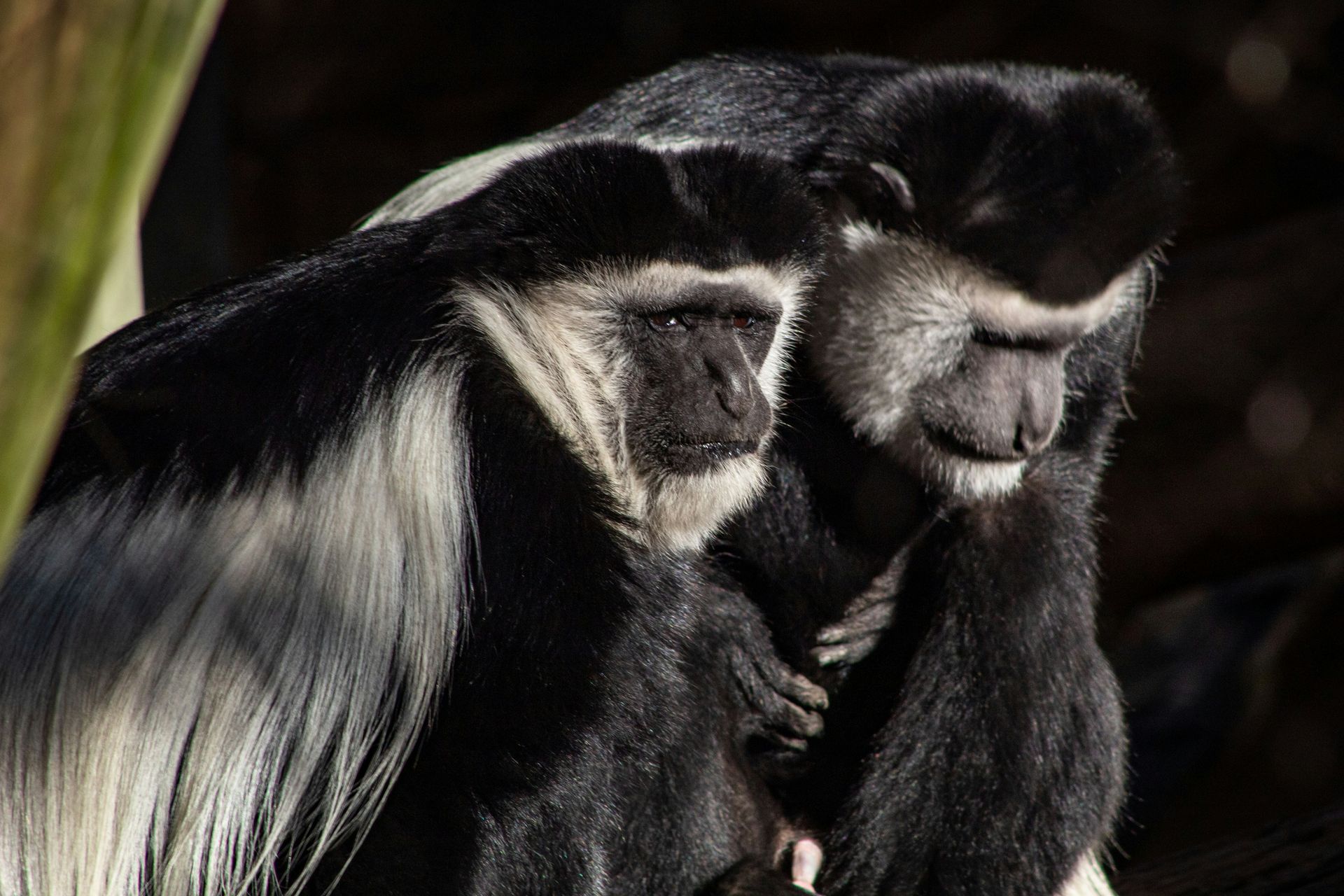
- Colobus and blue monkeys
- Duikers and bushbucks in the forest zone
- Chameleons and unique high-altitude plants
- Bird species including turacos, sunbirds, and eagles
- Sightings of leopards and elephants are rare but possible in remote areas
FAQs
Do I need a permit or park fee?
Yes. Park fees apply and vary by route and number of days. Fees are typically included in trekking packages.
How many days should I spend here?
Most summit treks take 6–9 days. Day hikes can be done in 1 day for those not climbing to the top.
What kind of fitness level is required?
Moderate to high. Summit treks require excellent physical fitness and acclimatization.
Is it safe to visit Kilimanjaro National Park?
Yes. With proper guides, gear, and acclimatization, the trek is safe. Altitude sickness is a risk.
Quick Navigation
At a Glance
- Country: Tanzania
- Location: Northern Tanzania
- Established: 1973 (UNESCO World Heritage Site since 1987)