Etosha National Park
Overview
Etosha National Park is Namibia’s premier safari destination, centered around the vast, shimmering Etosha Pan—a flat salt desert so large it’s visible from space. During the dry season, animals gather in huge numbers around permanent waterholes, creating some of the most dramatic wildlife viewing in southern Africa. With easy self-drive access, abundant game, and unique semi-arid scenery, Etosha offers an unforgettable experience for both first-time and seasoned safari travelers.
Fun Facts
- The Etosha Pan covers about 4,800 km²—nearly a quarter of the park.
- Etosha means “Great White Place” in Oshindonga.
- The park supports over 100 mammal species and 340+ bird species.
- It’s one of the few parks where visitors regularly see black rhinos in the wild.
Things to Do
- Self-drive or guided game drives to iconic waterholes like Okaukuejo and Halali.
- Visit the Etosha Pan during or after rains when flamingos and pelicans arrive.
- Stay at government rest camps with floodlit waterholes for nighttime wildlife.
- Spot rare species like black-faced impala and Damara dik-dik.
Gallery
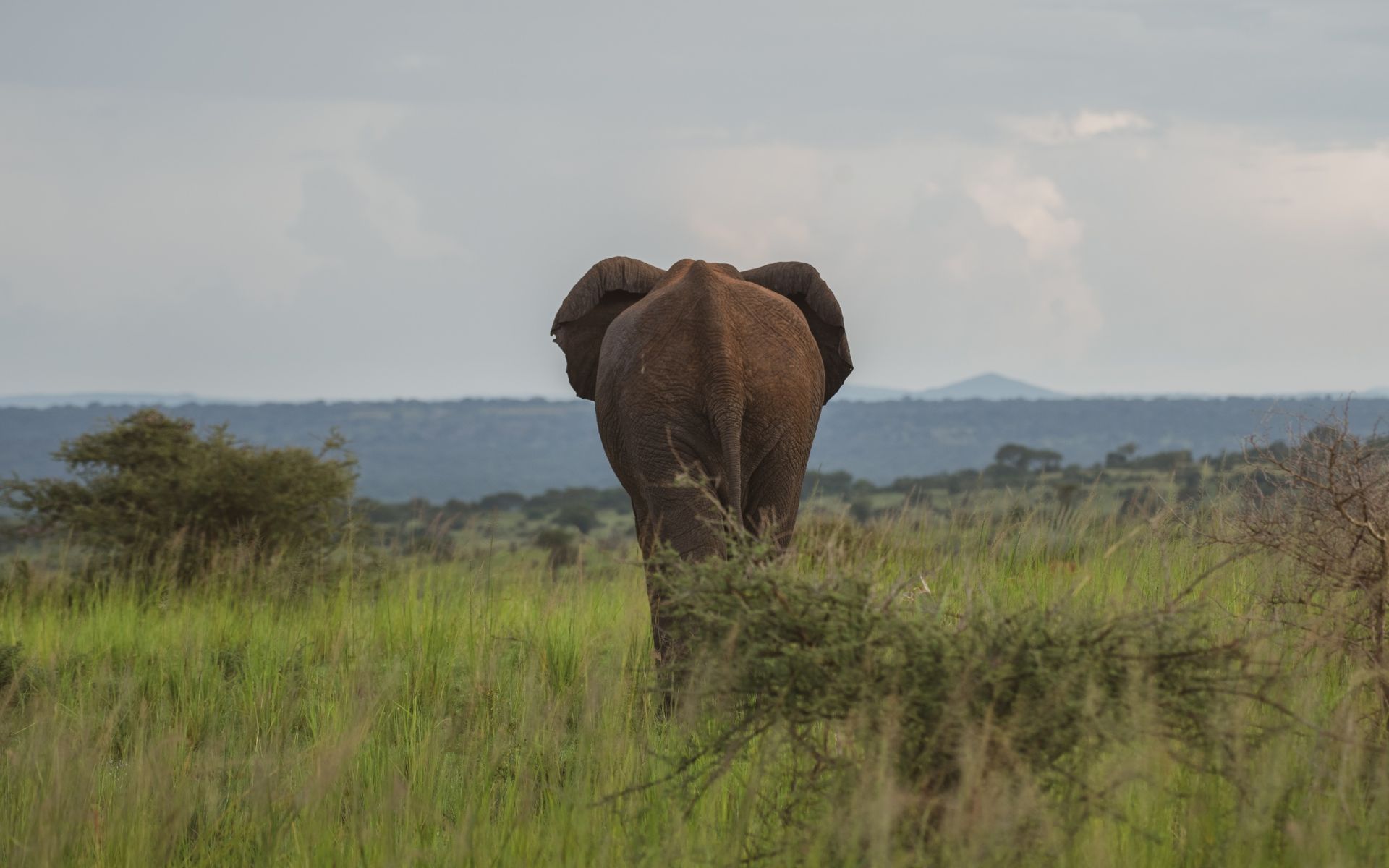
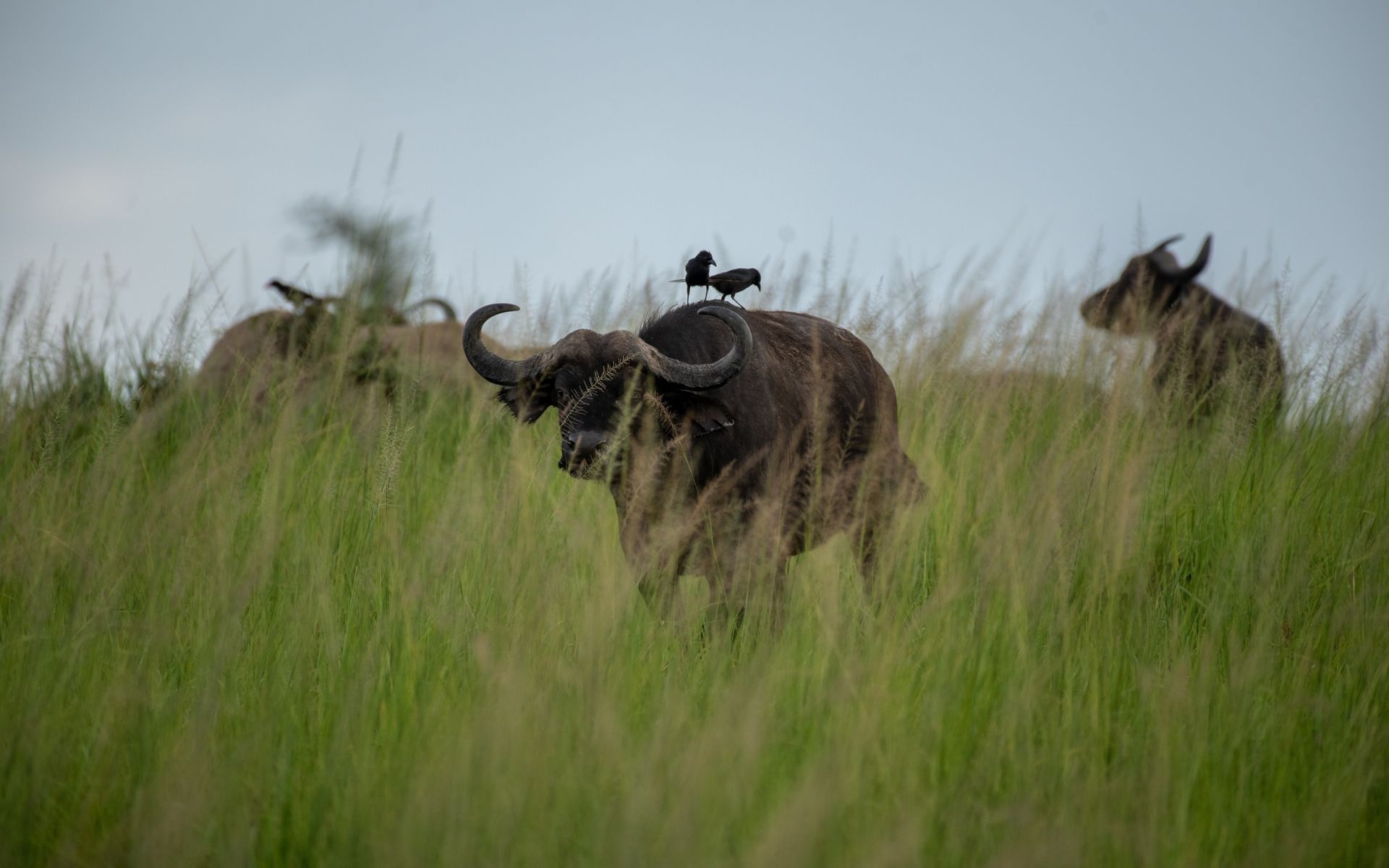
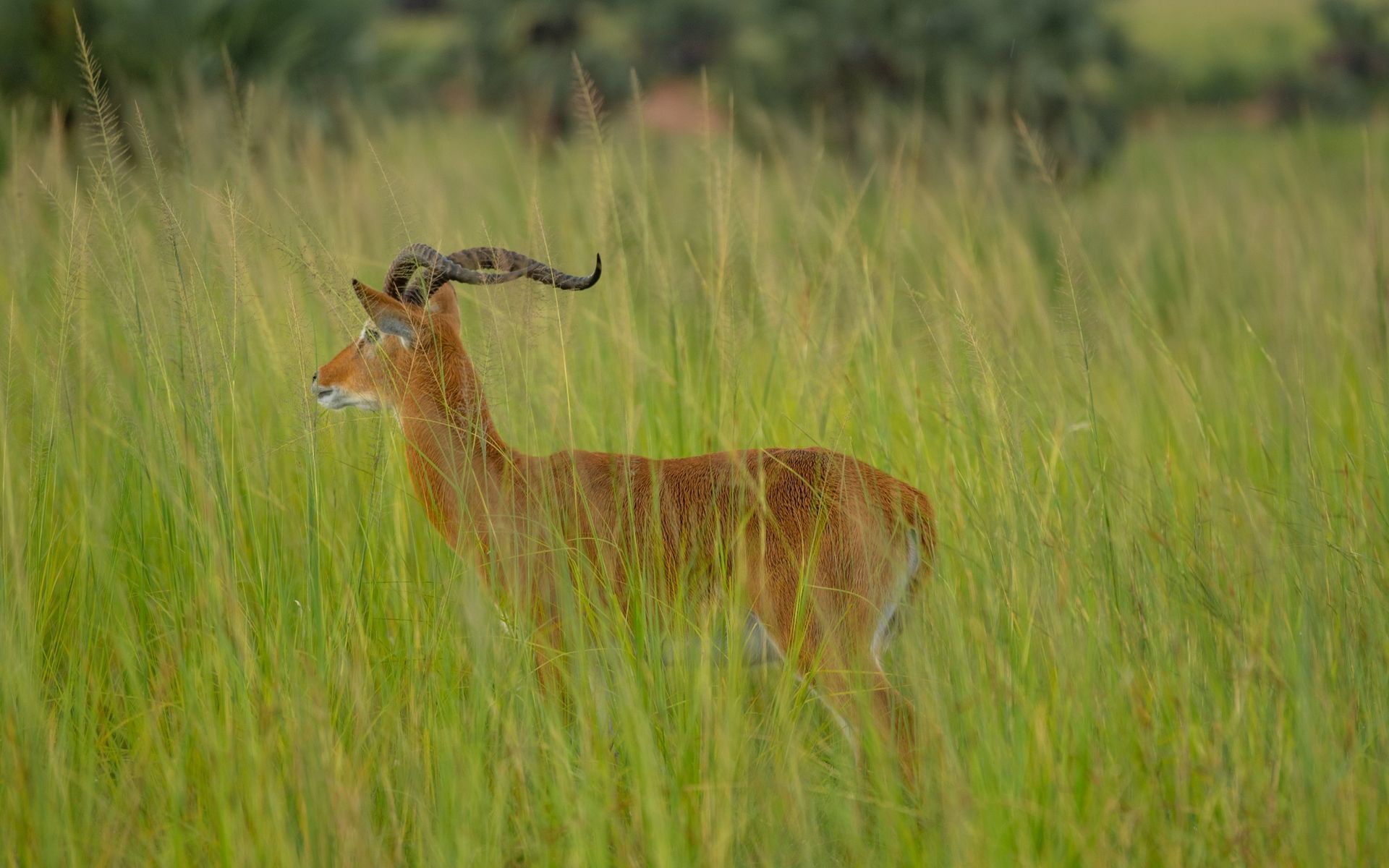
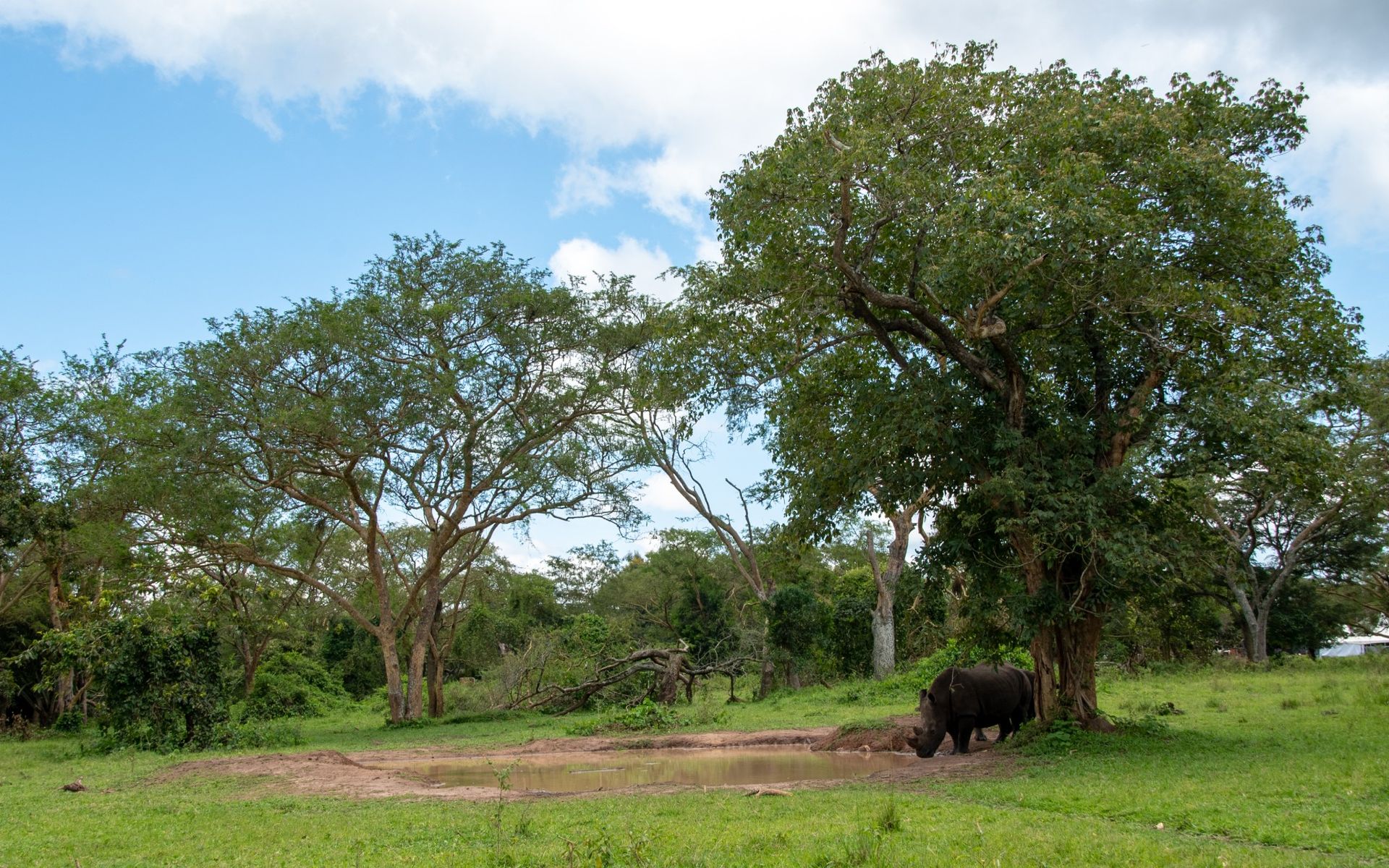
Where It’s Located
- Region: Northern Namibia, Kunene and Oshikoto regions
- Distance: ~5–6 hours by road from Windhoek
- Nearest Entry Point: Anderson Gate (southwest), Von Lindequist Gate (east)
- Access: By road (self-drive or guided safari); airstrips available for fly-in safaris
Wildlife Highlights
- African elephants
- Black rhinos
- Lions and leopards
- Giraffes
- Zebras and oryx
- Ostriches and flamingos (seasonal)
FAQs
Can I self-drive in Etosha National Park?
Yes—Etosha is one of Africa’s best self-drive safari parks, with well-maintained roads and signposted waterholes.
Is the Etosha Pan always dry?
Mostly, yes—but after good rains (Nov–Apr), parts of the pan fill with water and attract migratory birds, especially flamingos.
Where should I stay in the park?
There are several government-run camps (Okaukuejo, Halali, Namutoni) with restrooms, restaurants, and viewing hides. Private lodges also operate on the park’s edges.
Is Etosha good for photographers?
Absolutely—the harsh light, open terrain, and waterhole congregations create excellent wildlife photo opportunities.
Quick Navigation
At a Glance
- Country: Namibia
- Location: Northern Namibia
- Established: 1907
- Size: ~22,270 km²
- Known For: Salt pan, waterhole safaris, black rhinos
- Best Time to Visit: June to October (dry season, best wildlife viewing)