The driest months, December to February and June to September, give the easiest trekking and the clearest game viewing. Gorillas live in the forest all year, so you can trek in any month, and the rainy months trade comfort for fewer visitors and lower prices.
Uganda sits on the equator, so seasons are defined by rain rather than temperature.
Gorilla trekking
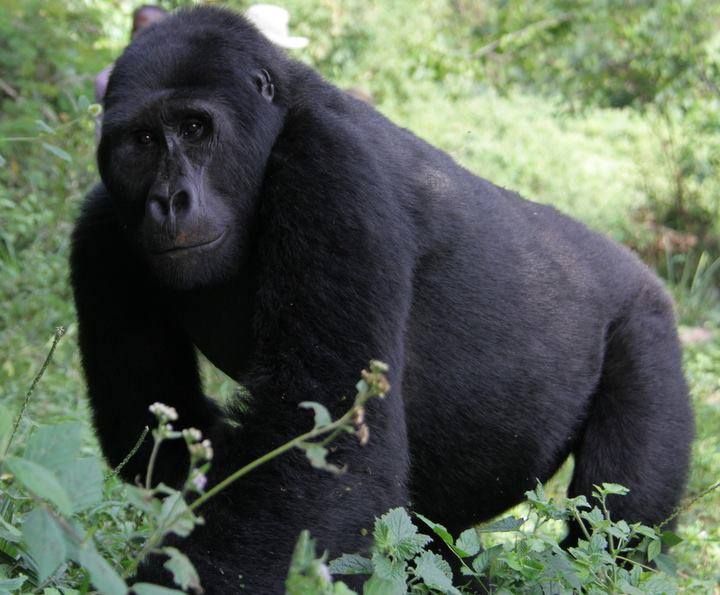
Bwindi’s forest is steep and humid, which means mud in any season. In the dry months trails are firmer and sightings are easier to plan. In the rains you will hike in a good waterproof jacket and boots with grip, but the experience of an hour with a gorilla family is just as powerful.
Peak months sell permits out early. Book six to nine months ahead for June to September and the Christmas period.
Low-season savings
Uganda Wildlife Authority has reintroduced discounted gorilla permits for April, May and November. Reported low-season rates for foreign non-residents are $600 rather than $800. Permit rules change, so ask us to confirm the current rate when you enquire. Our
gorilla cost breakdown covers the full price picture.
Savannah wildlife, chimps and birds
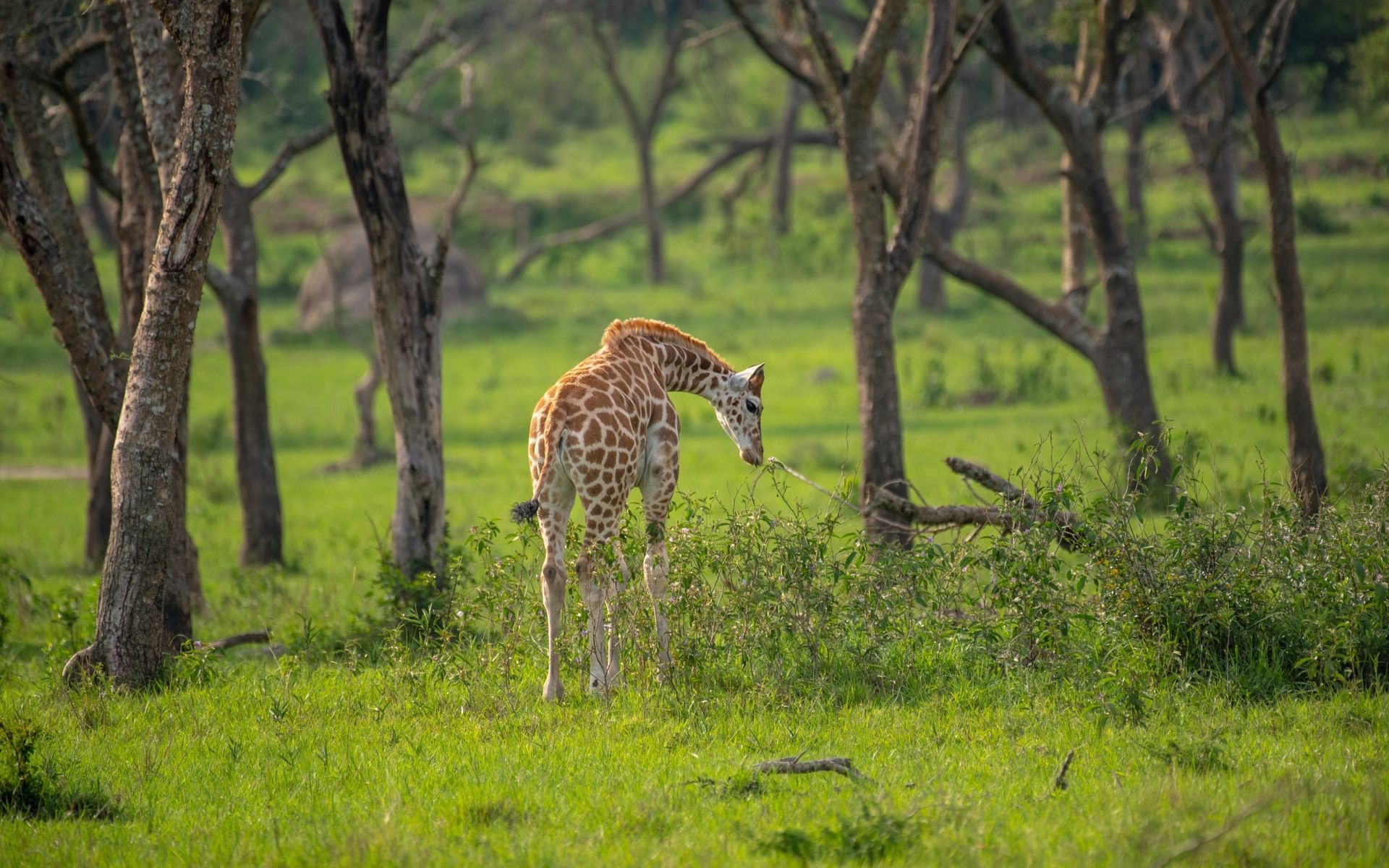
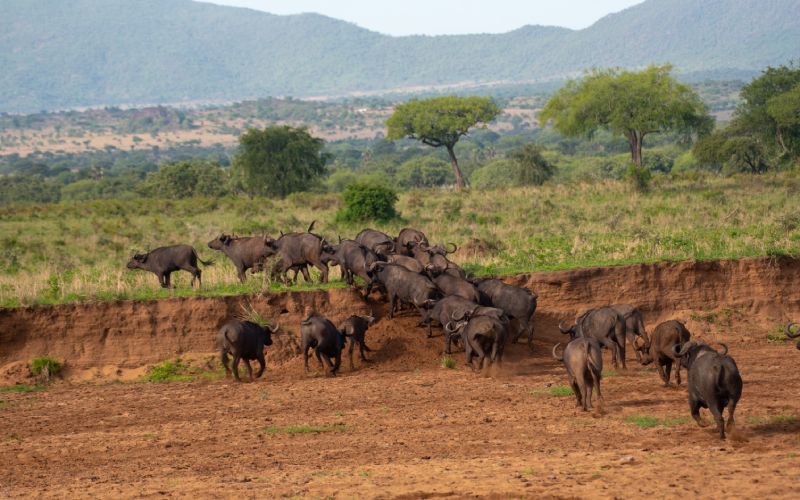
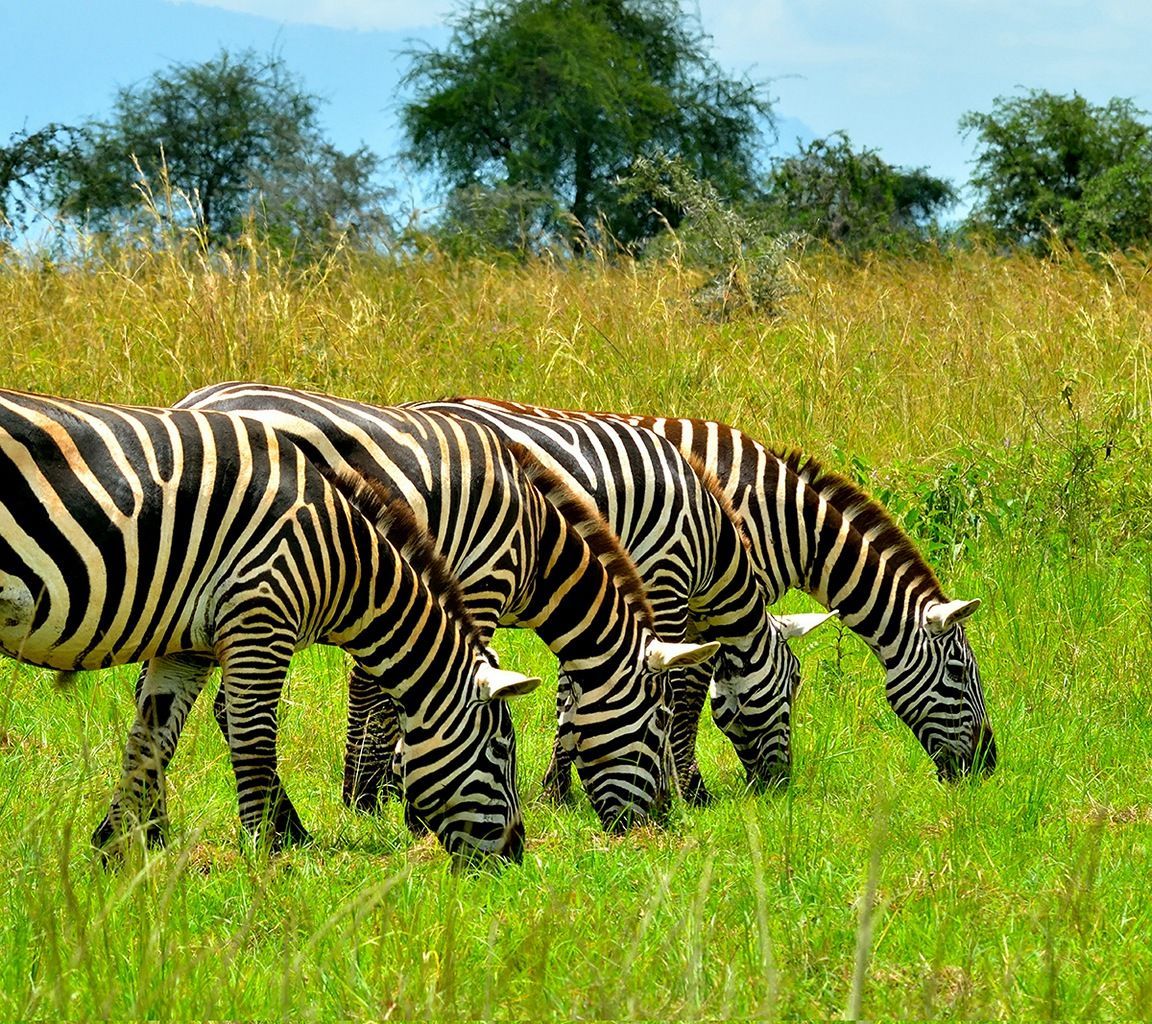
Game viewing in Murchison Falls and Queen Elizabeth National Park improves in the dry months, when animals gather near water. Chimpanzee trekking in Kibale works year-round. Birders should aim for November to April, when migrants join the resident species.
Which should you choose?
Travelling from the northern hemisphere in summer? June to September lines up with school holidays, so book early. Prefer fewer vehicles and don’t mind showers? Pick April, May or November.
FAQ
Does it rain all day in the wet season?
Usually in bursts, often in the afternoon.
What should I pack?
Layers, a rain jacket, gaiters, gloves for nettles and sturdy boots.
Is the Rwenzori region different?
Yes, mountains make their own weather. Plan trekking for the driest windows.