
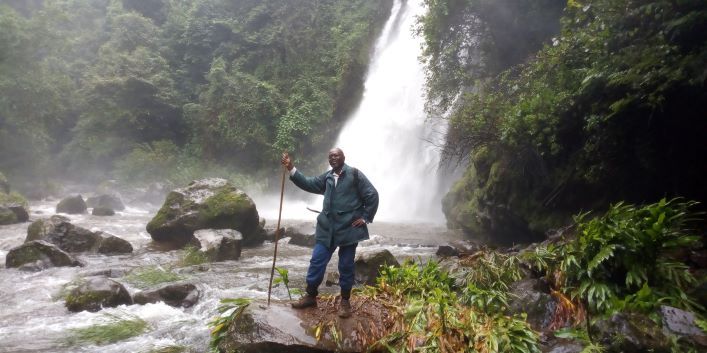
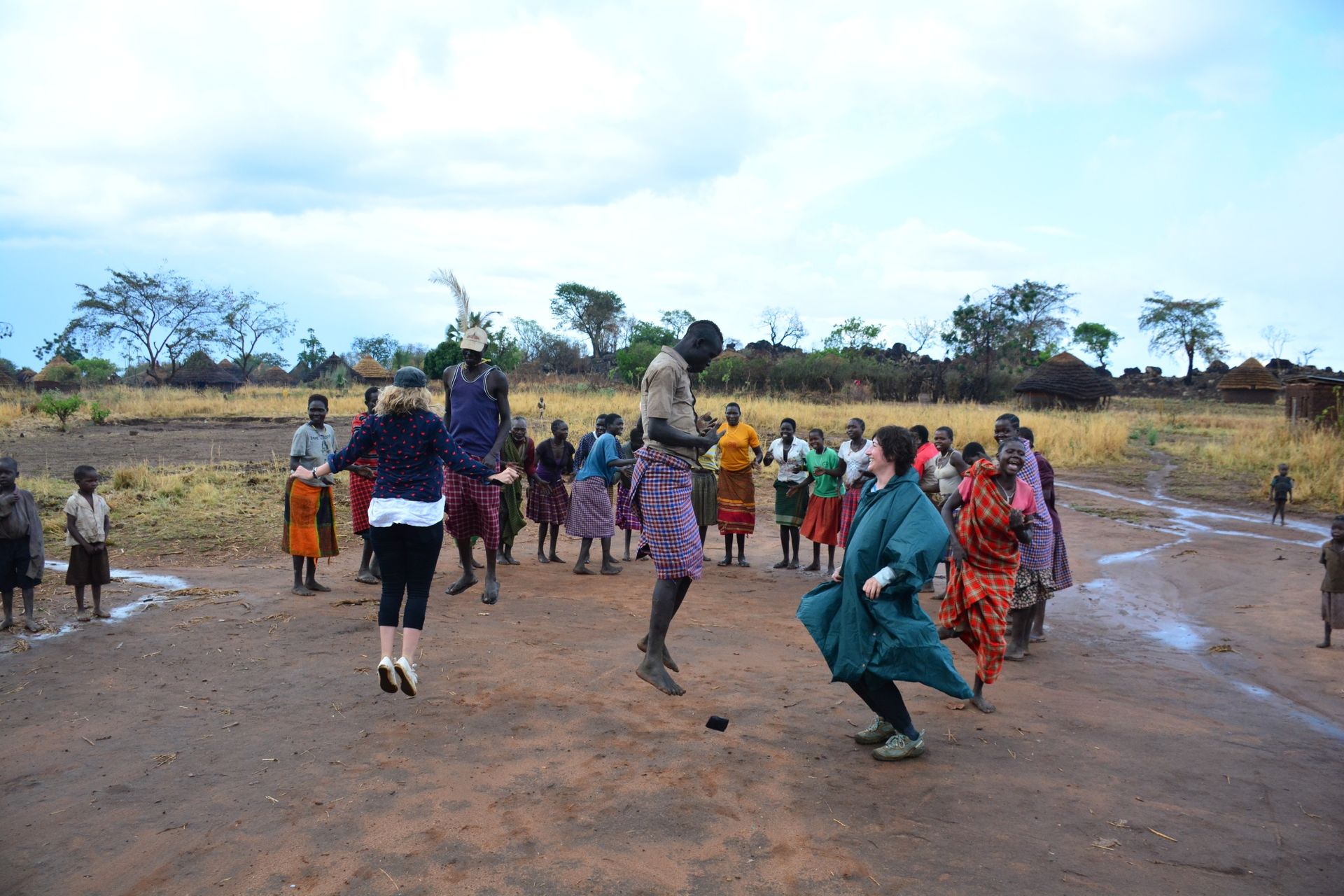
A Uganda safari can take you through rainforest in search of mountain gorillas, across open savannah in search of lions, and along waterways where hippos gather. But some of the country's most meaningful experiences happen when you step away from the safari vehicle and spend time learning from the people who call Uganda home. Cultural experiences can introduce visitors to traditional skills, food preparation, crafts, music and knowledge passed between generations. Learn how everyday ingredients become traditional meals Food preparation offers a practical introduction to local culture. Depending on the experience available, visitors may learn how cooking bananas are prepared for matoke, how ingredients are combined to make a traditional sauce, or how food is cooked using familiar local methods. These activities reveal the time and knowledge behind dishes that travellers might otherwise encounter only on a restaurant menu. Discover the skill behind traditional crafts Basket weaving, for example, requires patience, an understanding of materials and careful attention to patterns. Other craft traditions may involve textiles, pottery, woodwork or the creation of decorative objects. A visit with a local craft maker can help travellers understand how materials are sourced, how techniques are learned and what different products mean to the people who create them. Where possible, buying directly from artisans can also provide an opportunity to support local livelihoods. Listen to stories that connect people to place A landscape can mean something different to the people who have lived alongside it for generations. Local hosts may share stories about their communities, historical events, food traditions, agriculture or the relationship between people and the surrounding environment. These conversations can add context to the places travellers encounter during their safari. They also offer an opportunity to learn about Uganda through perspectives that are not always found in guidebooks. Experience culture respectfully Cultural tourism works best when experiences are organised with local hosts and reflect what communities genuinely wish to share. Ask permission before photographing people, respect requests about private or sacred spaces, and follow your host's guidance during demonstrations and visits. Remember that communities are not attractions to be observed; they are places where people live, work and maintain their traditions. Choosing experiences that compensate local guides, artisans and hosts fairly can help ensure that tourism creates value beyond the visitor's immediate experience. Add a cultural dimension to your Uganda safari Wildlife may be the reason you first consider Uganda, but cultural encounters can give your journey another dimension. When planning a safari with Rafiki Safaris, ask about available local experiences that complement your wildlife itinerary. Depending on your route, interests and schedule, these could include food experiences, craft demonstrations or guided visits with community hosts. The aim is not simply to see more places. It is to leave with a richer understanding of the country you have visited.
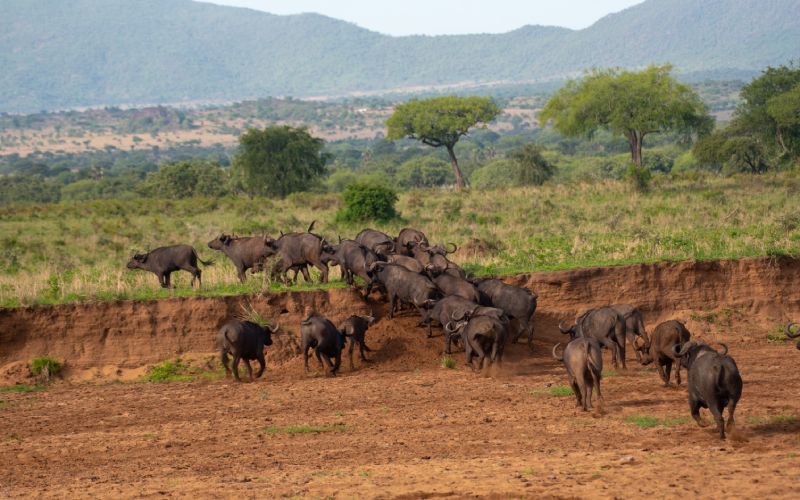
A 10-day Uganda and Kenya safari with a flight-based route.
Slug: /gorillas-and-masai-mara-uganda-kenya-safari
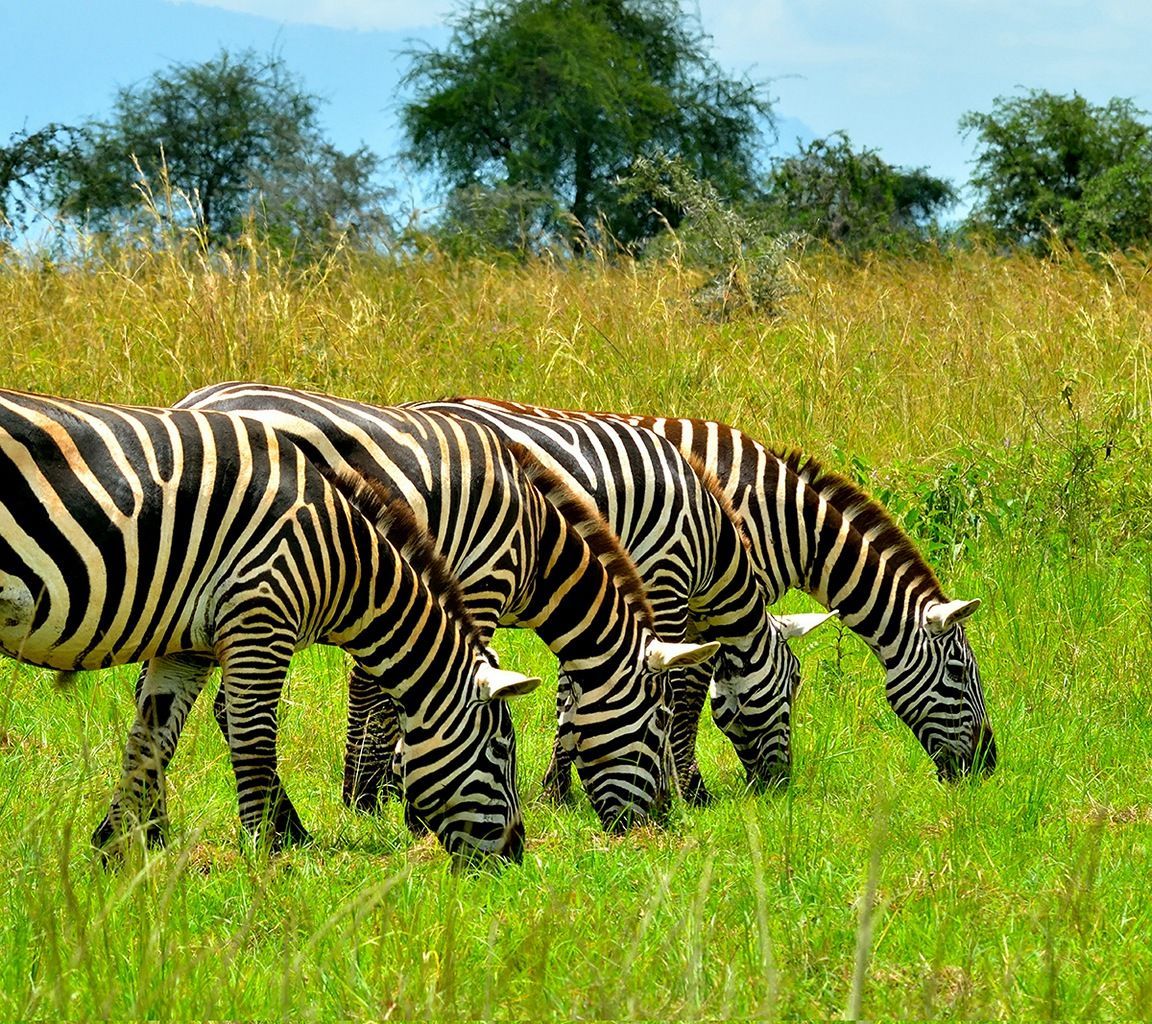
Uganda or Kenya for a first African safari? Compare wildlife, cost, crowds and trip length, and see how to combine gorillas and the Masai Mara in one trip.