Most visitors on organised safaris travel through Uganda without serious incident. The real risks are few and predictable: petty theft in busy city areas, long road days, and mosquito-borne illness. All three can be planned around.
Travellers from the US, UK, Europe and Australia usually ask this question first, and it deserves a plain reply rather than a sales pitch.
In Kampala and Entebbe, bag snatching and phone theft happen, as in most capital cities. Leave valuables in the hotel safe and take licensed transport rather than hailing whatever stops. On safari, you are mostly in national parks with trained guides, so the day-to-day exposure is low.
Roads deserve more respect than crime. Distances look short on a map but can take many hours, and night driving outside towns is a poor idea. A good operator builds each day so you arrive before dark and uses a driver-guide who knows the route.
Health
Uganda requires proof of yellow fever vaccination for most arrivals. Malaria is present across the country, so see a travel clinic six to eight weeks before departure for prophylaxis advice and routine boosters. Pack repellent, long sleeves for evenings, and a basic first-aid kit.
Wildlife and park safety
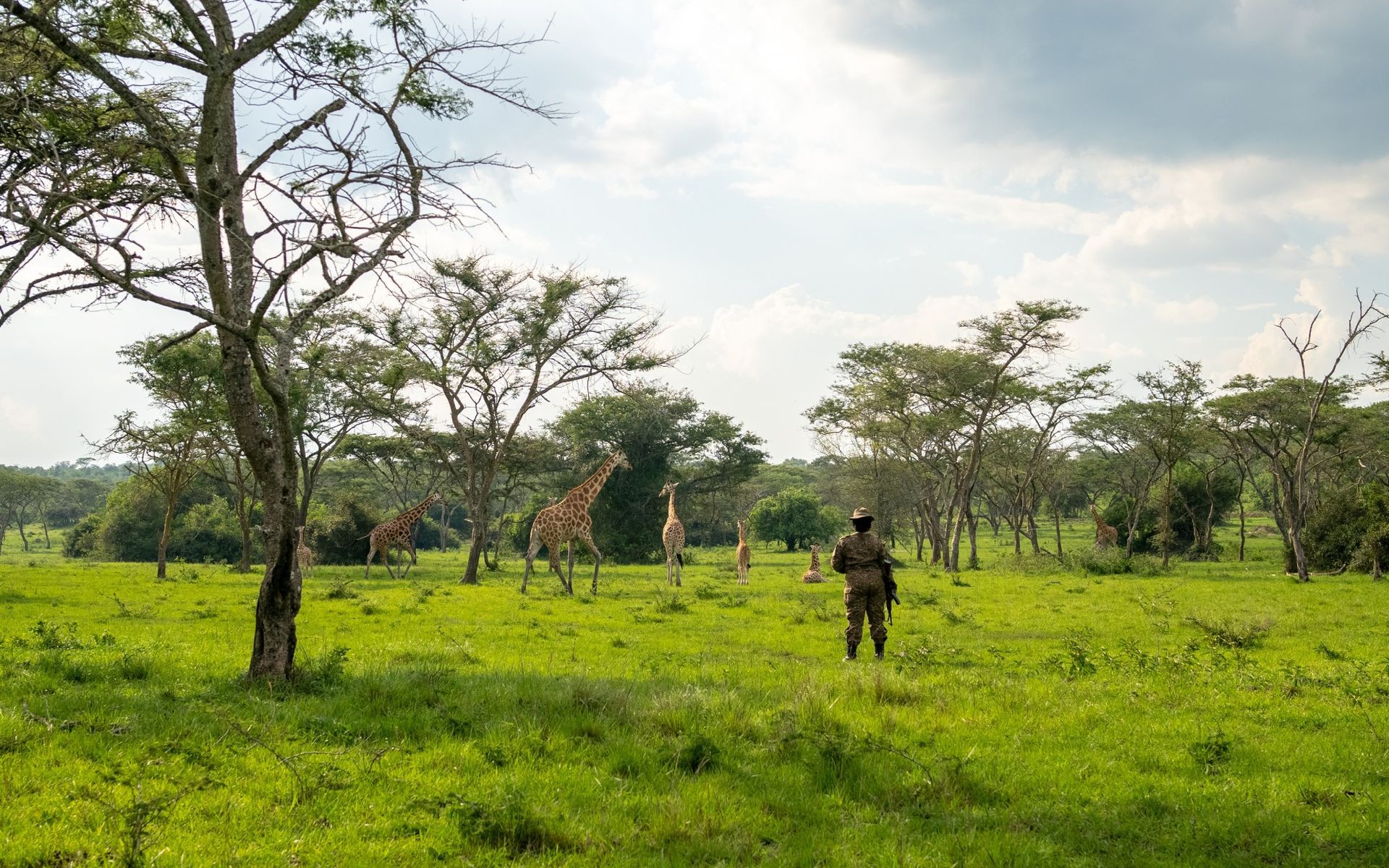
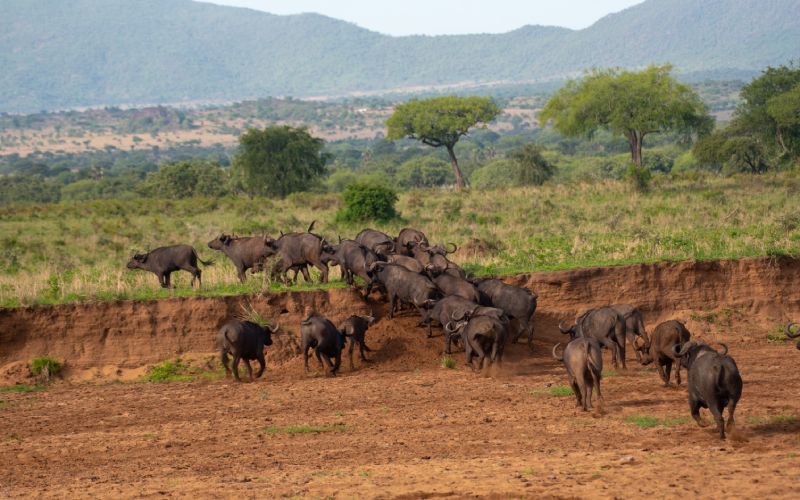
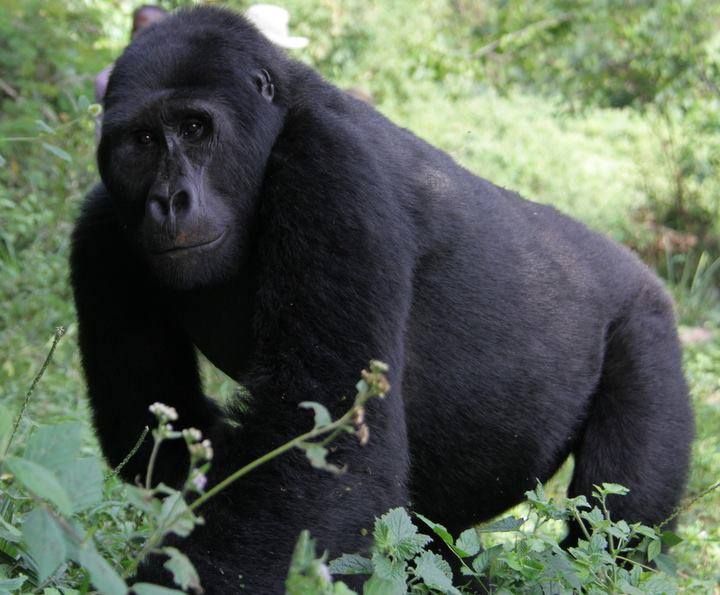
Rangers accompany gorilla and chimpanzee treks, and some carry rifles in case of forest buffalo or elephants. You follow your guide’s instructions on distance and behaviour, which keeps both you and the animals safe.
Check your own government’s advice
US, UK and Australian advisories differ and change. Read the current US State Department, UK FCDO and Smartraveller pages before you book, and ask your operator how your route relates to any regions they flag. Rafiki Safaris will go through this with you, because our routes avoid the border areas most advisories single out.
Insurance
Buy travel insurance that covers medical evacuation and trip cancellation. Remote parks are a long way from major hospitals.
FAQ
Is Uganda safe for solo female travellers?
Many women travel Uganda solo or in small groups with a guide. Dress modestly in towns, avoid walking alone at night, and ask for a female-friendly itinerary if that matters to you.
Is Uganda safe for families?
Yes, with planning. Gorilla trekking requires a minimum age of 15, but other activities suit younger children.
Do I need a guide?
For park visits, yes. A guide is part of how safety and wildlife viewing work.
Is tap water safe? No. Drink bottled or filtered water.